The Canary Islands are Europe's surest winter sun: seven Spanish islands off the coast of Africa where January is spring-like, the sea stays swimmable, and the flight from northern Europe is four hours rather than nine. Four of them carry the all-inclusive scene, and they are different enough that picking the island matters more than picking the resort. Tenerife has the widest choice and the biggest resorts, Gran Canaria the dunes and the interior, Lanzarote the lava fields and the low-rise building code, and Fuerteventura mile after mile of pale sand and almost nothing else.
- Airports
- Tenerife South (TFS), Gran Canaria (LPA), Lanzarote (ACE), Fuerteventura (FUE)
- The islands
- Tenerife and Gran Canaria for choice
- Lanzarote and Fuerteventura for landscape and space
- Best for
- Winter sun, a spring-like year-round climate, big well-run resorts
- Season
- Year-round
- Christmas and Easter are the peaks
- Weather risk
- None tropical
- the trade wind keeps summers moderate
Where Canary Islands splits
The resort areas are not interchangeable. What each one is actually for.
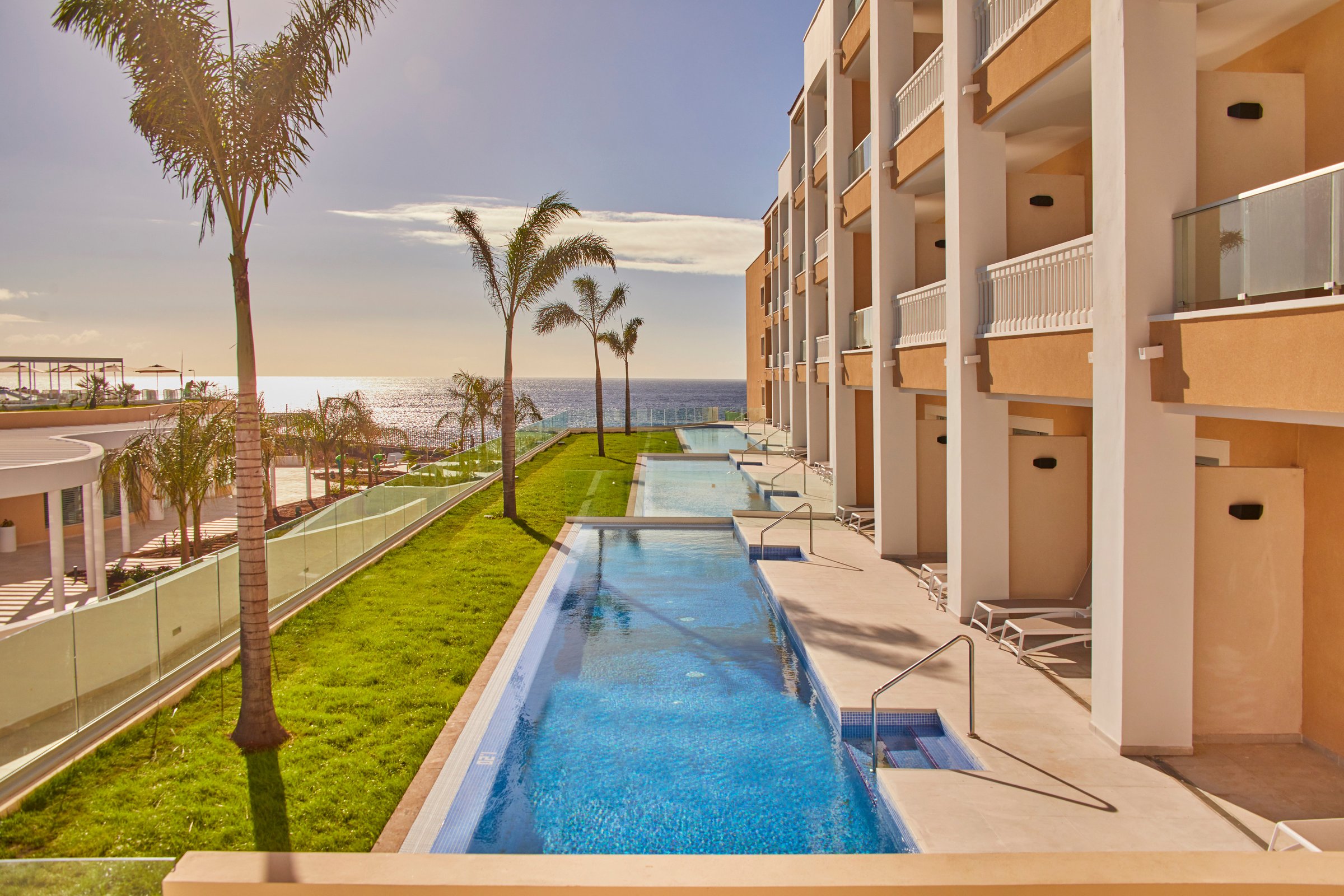
Tenerife
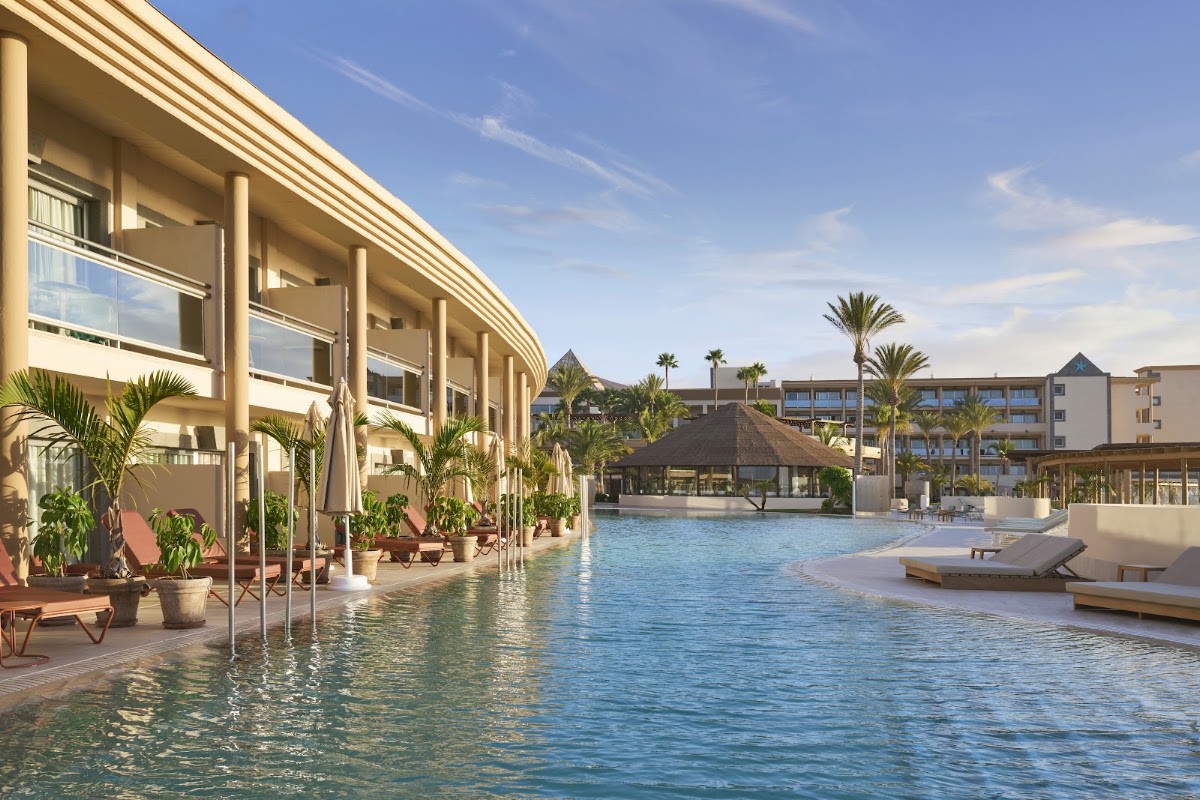
The biggest island and the deepest choice, with the resort strip on the sheltered south coast under Teide: Costa Adeje for the upscale end, Playa de las Américas for the scene. The north is a different, cloudier island, so the coast you book matters.
Start with Bahia Principe Fantasia Tenerife, four-star.
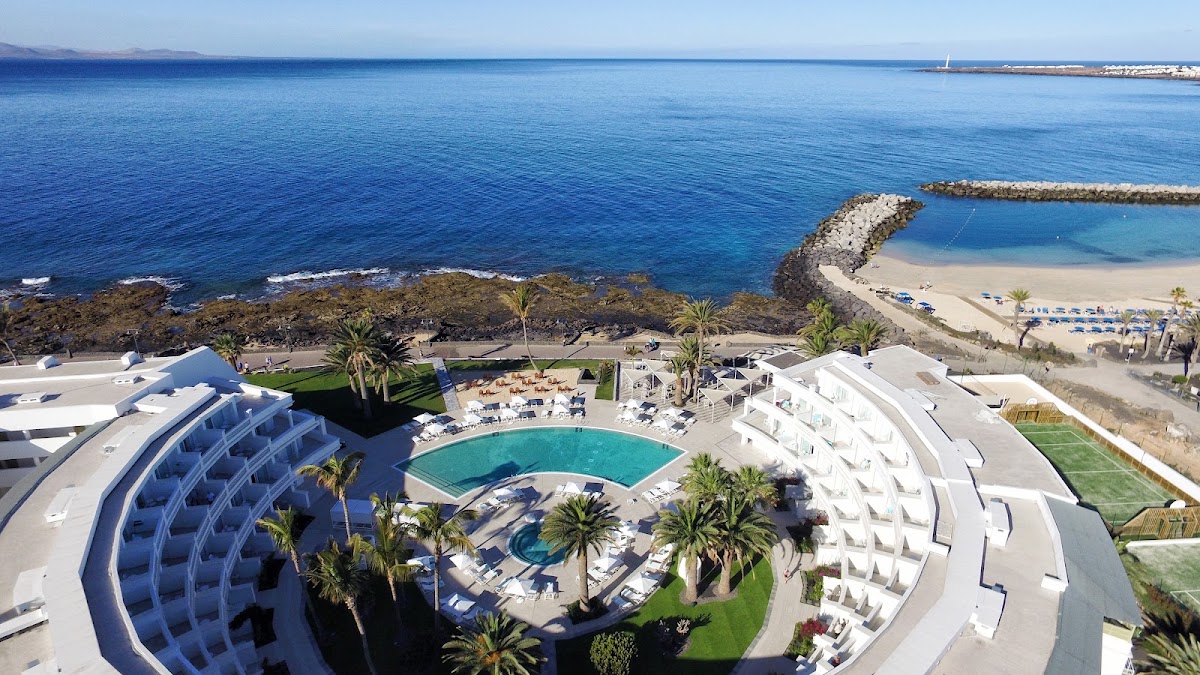
Lanzarote
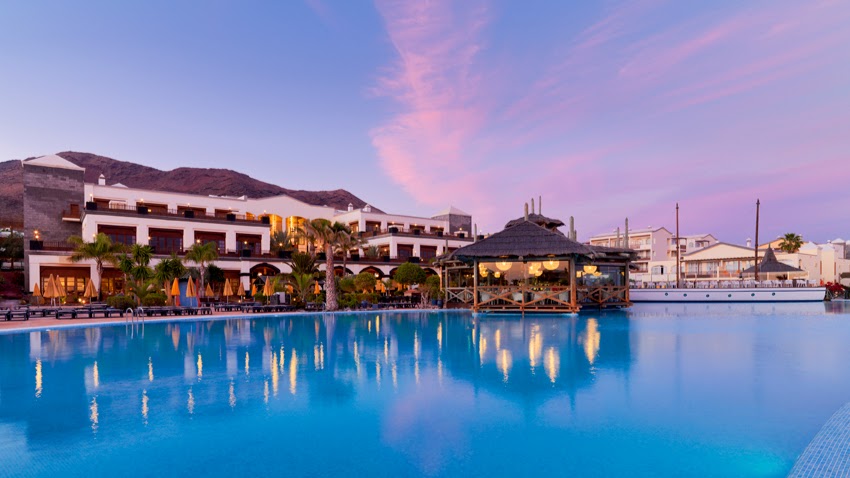
Volcanic and low-built: white villages, black lava fields and Timanfaya's craters an hour from the sand, with a building code that has kept the high-rises out. Playa Blanca in the south holds the resorts. It is the windiest of the four.
Start with Iberostar Selection Lanzarote Park, five-star.
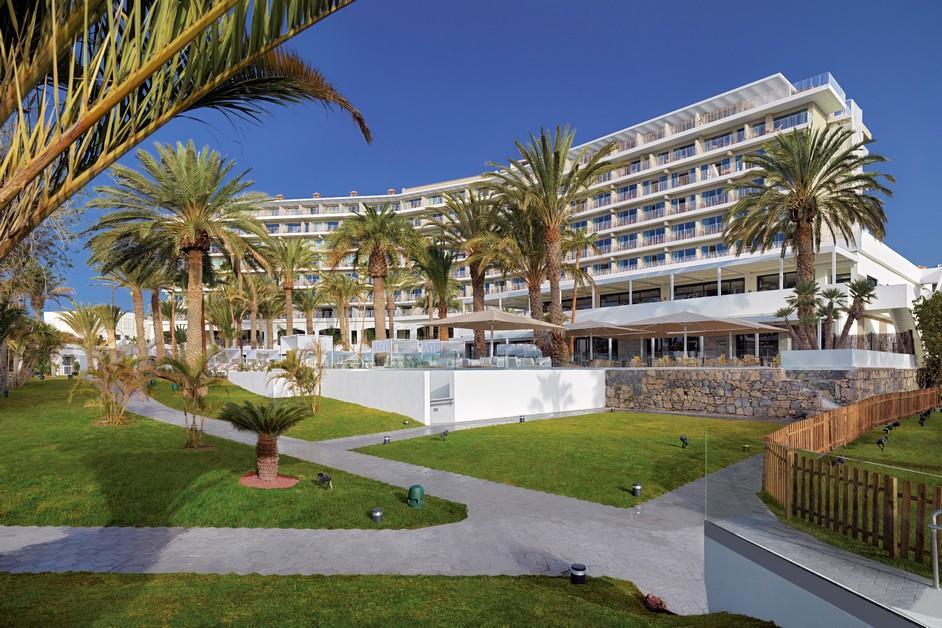
Gran Canaria
Maspalomas' sand sea, the Meloneras promenade beside it, and a mountainous interior that feels like another country. The southern resort towns are frank package territory, which keeps the prices honest.
Start with Paradisus Gran Canaria, five-star.
Where the Canary Islands resorts are
16 resorts mapped stars are five-star properties
When to visit Canary Islands
Climate normals for Tenerife South, and our verdict on each month.
| Measure | Jan | Feb | Mar | Apr | May | Jun | Jul | Aug | Sep | Oct | Nov | Dec |
|---|---|---|---|---|---|---|---|---|---|---|---|---|
| Average daily high | 70°F21°C | 71°F22°C | 73°F23°C | 74°F23°C | 76°F24°C | 79°F26°C | 83°F28°C | 84°F29°C | 82°F28°C | 79°F26°C | 75°F24°C | 71°F22°C |
| Rainfall | 1.2″ | 0.9″ | 0.7″ | 0.3″ | 0.1″ | 0″ | 0″ | 0″ | 0.2″ | 0.6″ | 1.1″ | 1.3″ |
| Verdict | Off-peak | Shoulder | Shoulder | Good | Good | Good | Good | Good | Good | Shoulder | Off-peak | Off-peak |
There is no bad month, which is the whole argument for the Canaries. Winter days sit around 70°F on the southern coasts and the sea stays swimmable, so December to March is when the islands earn their keep and price accordingly, with Christmas and Easter the peaks. Summer is warmer but rarely hot, because the trade wind takes the edge off, and it is the value season for anyone not tied to school holidays.
Two things to know. The calima, a Saharan dust haze, arrives a few times a year and turns the sky milky for a day or two. And the sea is Atlantic, not Mediterranean: refreshing in summer and brisk in winter, which is why the resort pools here are heated and why they matter.
Sweet spot. Year-round; December–March is when the islands earn their keep, and summer is the value season; rainy season runs November–February, lightly, and mostly on the north coasts.
Storm risk. No tropical systems; the trade wind keeps summers moderate and the odd Saharan dust haze is the only weather event.
Figures are long-term climate normals for Tenerife South, good for planning. They are not a forecast.
Which island?
Tenerife is the default for a reason: the south coast around Costa Adeje has the largest cluster of big, well-run all-inclusives in the archipelago, the most reliable warmth, and Teide behind it for a day off the beach. Gran Canaria is the pick if you want more to look at than the sea, with Maspalomas' dunes at the resort door and a green, mountainous interior an hour inland. Lanzarote is for the landscape and for people who dislike high-rise strips: the island's building code kept them out, and the lava fields are like nowhere else in Europe. Fuerteventura is for beach and space, with the best sand in the islands and the least to do off it.
The islands share a climate but not a coast. Every resort strip sits on a south or south-east shore because that is where the trade wind is blocked and the cloud burns off; a resort on a north coast in the Canaries is a different holiday, and a cooler one.
Beyond the resort
Teide on Tenerife is Spain's highest peak and a cable car takes you most of the way; book the summit permit ahead. Whale and dolphin boats run year-round off the south coast. On Gran Canaria the interior villages and the crater at Bandama are a half-day; on Lanzarote it is Timanfaya's craters, the wine country at La Geria and César Manrique's houses; on Fuerteventura it is the dunes, the surf beaches of the north and the boat to Lobos island.
The islands are Spanish, so the food away from the strips is worth the taxi: papas arrugadas with mojo, fresh fish, and local wine that rarely leaves the archipelago.
The best all-inclusive resorts in Canary Islands
The Canary Islands properties we would actually book. For the full numbered ranking, see the best all-inclusive resorts in the Canary Islands.
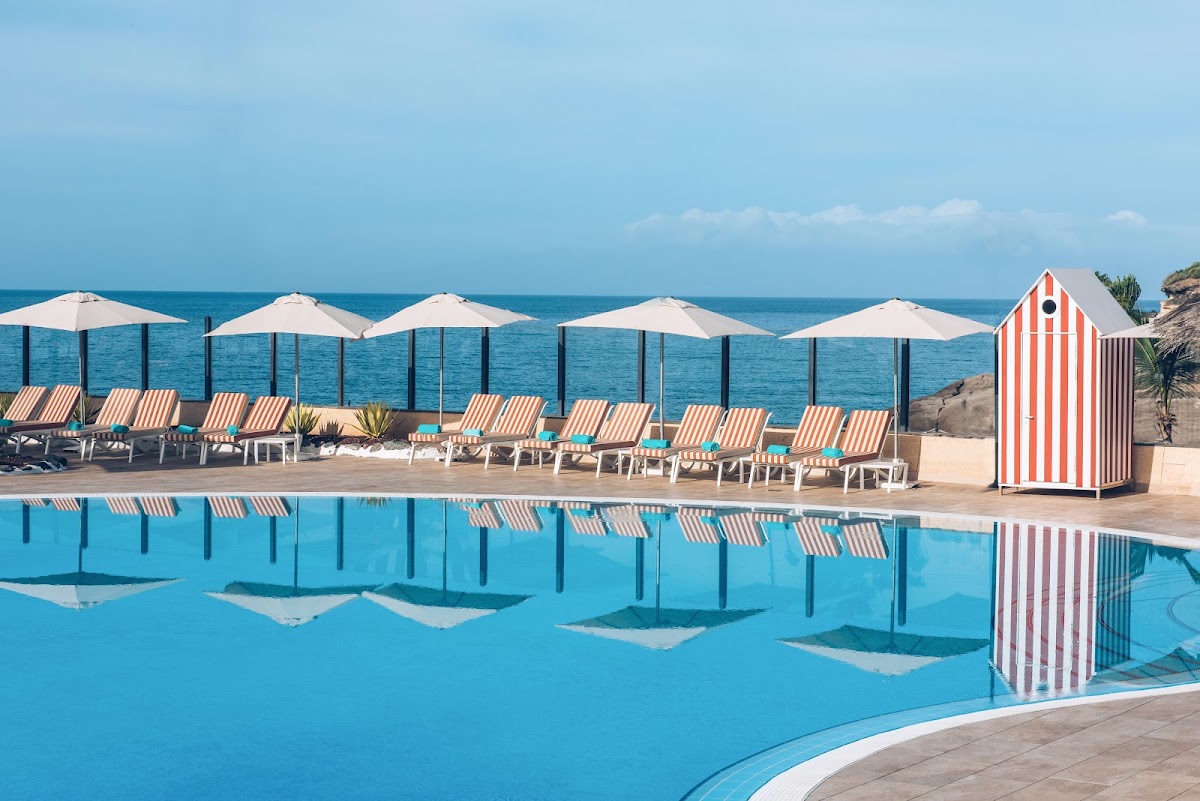
Where to stay in Canary Islands
The resort areas we cover, and which properties sit in each.
Tenerife
6Lanzarote
4From our sister site, It’s All Cruises
Would you rather be at sea?
Cruise ships call at three ports in Canary Islands. If you are torn between a week at a resort and a cruise, our port guides show what a day ashore here really looks like.
Resort chains in Canary Islands
The brands operating here. The ones we rank in full link through to the chain, what its plan really covers, and every resort of theirs we track.
Where these companies came from
Almost nobody in this category publishes it. Read oldest first and the list is a short history of how Canary Islands came to look the way it does.
Canary Islands, head to head
Price, flights, sand, food and safety, compared honestly.
Canary Islands vs JamaicaMexicoDominican RepublicMaldivesGreeceTurks & CaicosArubaBarbadosSt. LuciaItalyPortugalTurkeyAntiguaCuraçaoBrazilCosta RicaPhilippinesFrench PolynesiaMoroccoEgyptSouth AfricaMauritiusKenyaTanzaniaMozambiqueThailandIndonesiaMalaysiaPunta CanaCancúnRiviera MayaLos CabosPuerto VallartaMontego BayNegrilOcho RiosGuanacasteCreteBahiaBora BoraMalé AtollsRodney BayBarbados South CoastBarbados West CoastViti LevuVanua LevuBalearic IslandsCosta del SolSharm el-SheikhHurghada & the Red Sea CoastBelekRhodesLara & AntalyaMaldives Outer AtollsCorfuHalkidikiKosSoufrière & South St. LuciaGrenadaFijiCroatiaU.S. Virgin IslandsSri LankaSeychellesBahamasChileArgentinaUnited States
Reading on Canary Islands
Frequently asked questions
Which Canary Island is best for an all-inclusive?
Tenerife for the widest choice of big resorts and the surest warmth, Gran Canaria for winter sun with more to see, Lanzarote for landscape and a low-rise coast, Fuerteventura for beach and space. Our ranking below orders every Canaries resort in our catalog by real guest data and what the plan actually includes.
Are the Canary Islands warm in winter?
Yes, which is the point. Daytime highs on the southern coasts sit around 70°F from December to February, with plenty of sun. It is spring-like rather than tropical, so bring a layer for the evenings, and expect the sea to be cooler than the Caribbean.