Destinations · Head-to-head
South Africa vs St. Lucia
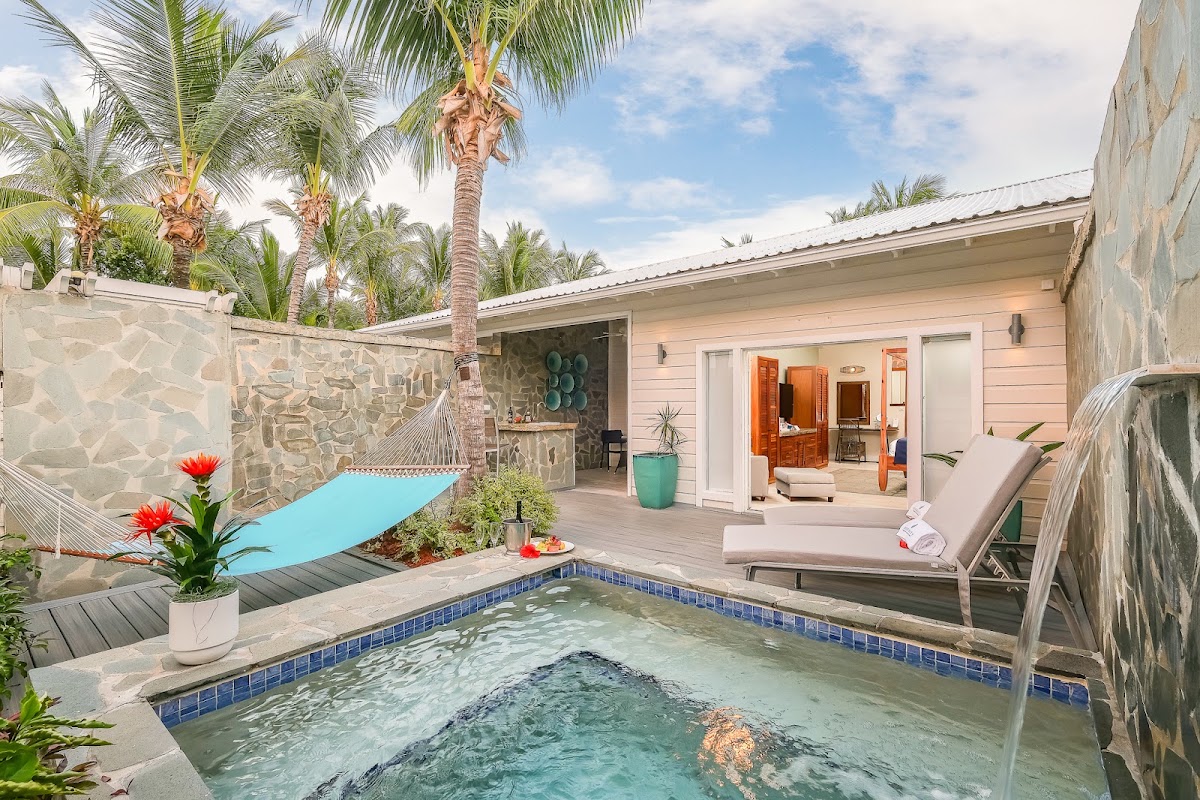
South Africa and St. Lucia, side by side: live travel advisories, our resort catalog's real guest data, and each destination's honest weather picture. Everything you need to break the tie.
By the numbers
| South Africa | Measure | St. Lucia |
|---|---|---|
| Level 2: Exercise Increased Caution | U.S. travel advisory | Level 2: Exercise Increased Caution |
| 0 | Resorts in our catalog | 17 (better) |
| – | Average guest rating | ★ 4.5 |
| – | Nightly rates | $87–$810/night pp |
| 0 of 0 | Adults-only resorts | 8 of 17 |
| No hurricane season (better) | Hurricane exposure | In the hurricane belt |
| November–March (southern-hemisphere summer thunderstorms) | Rainy season | June–November, heaviest September–October |
| April–September for dry, mild weather; also prime safari season inland | Sweet spot | December–April |
| 11 official languages – English widely spoken | Language | English |
| South African rand (ZAR) | Currency | East Caribbean dollar; USD widely accepted |
| 230V, large Type M/N plugs (special adapter needed) | Power | 240V, UK-style Type G plugs |
| On the left | Driving | On the left |
| Durban (DUR) or Johannesburg (JNB) | Main airport | Hewanorra (UVF) |
| ~15–17h from the US East Coast (often via Europe or the Gulf) | Flight time | ~4.5–5h from the US East Coast |
Advisory levels sync from travel.state.gov; catalog figures reflect the resorts we've researched, not every hotel in the country. A marked row is one we are willing to call; rows without a mark are a matter of taste, or we have no comparable figure for both sides.
On the map
South Africa
St. Lucia
Weather, month by month
| Measure | Jan | Feb | Mar | Apr | May | Jun | Jul | Aug | Sep | Oct | Nov | Dec |
|---|---|---|---|---|---|---|---|---|---|---|---|---|
| South Africa · high °F | 82 | 83 | 82 | 79 | 77 | 74 | 73 | 74 | 75 | 77 | 79 | 81 |
| St. Lucia · high °F | 84 | 84 | 85 | 87 | 88 | 88 | 88 | 88 | 88 | 87 | 86 | 84 |
| South Africa · rain (in) | 5.3 | 4.8 | 4.8 | 2.9 | 2.2 | 1.1 | 1.5 | 1.9 | 2.9 | 4.3 | 4.8 | 4.0 |
| St. Lucia · rain (in) | 3.7 | 2.6 | 2.4 | 3.4 | 4.4 | 7.5 | 8.1 | 8.9 | 8.4 | 9.2 | 7.7 | 5.2 |
Approximate climate normals for KwaZulu-Natal coast (Durban) and Northwest coast (Rodney Bay–Soufrière): planning guidance, not a forecast. A deeper tint is a higher number, read within its own row.
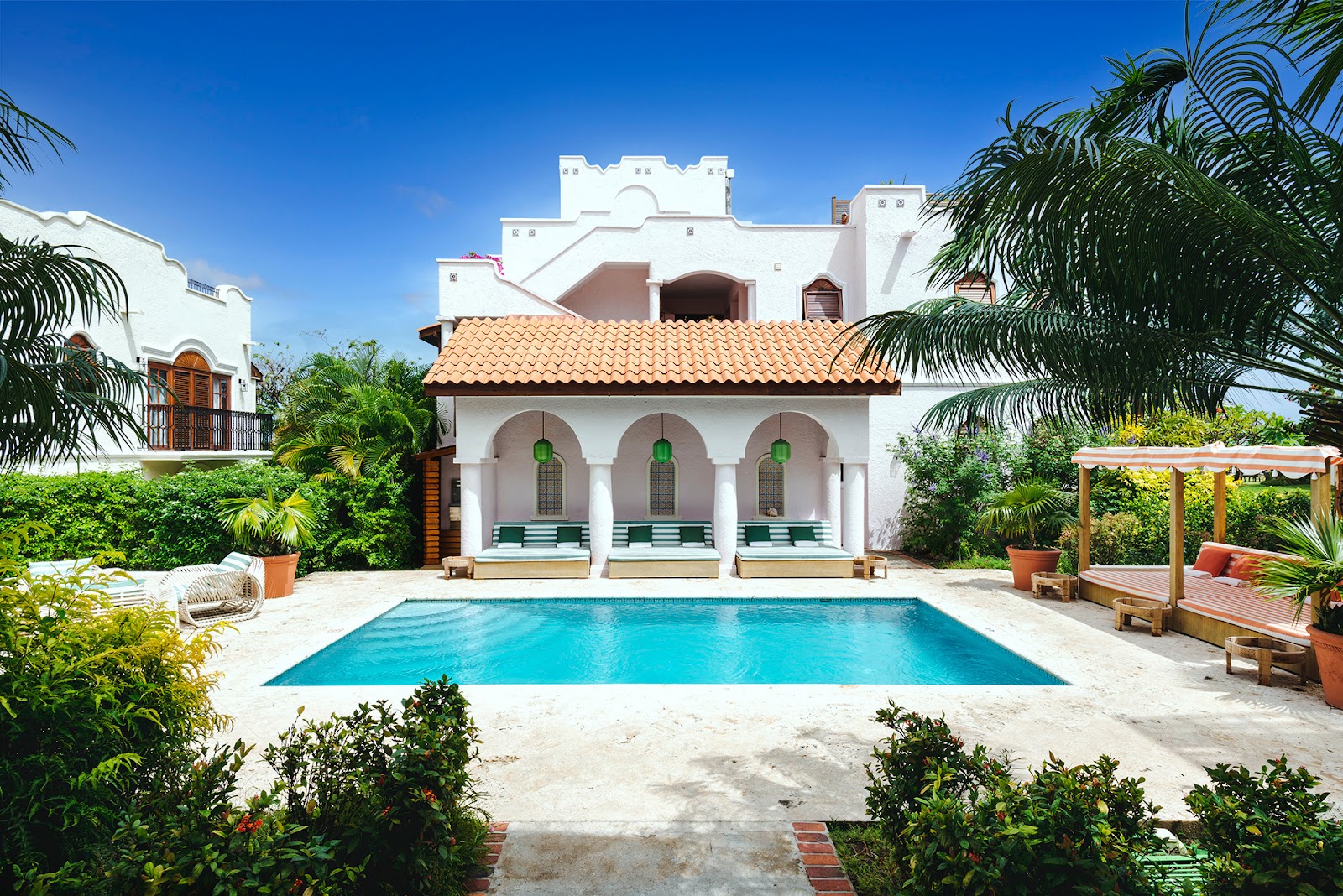
Where you'd actually stay

Not these two?
Square up two other destinations
More destination head-to-heads
Jamaica vs Dominican RepublicJamaica vs ArubaMexico vs Dominican RepublicJamaica vs MexicoAruba vs Turks & CaicosAruba vs CuraçaoJamaica vs St. LuciaMaldives vs MauritiusGreece vs TurkeyMaldives vs French PolynesiaCancún vs Punta CanaCancún vs Riviera MayaPunta Cana vs Riviera MayaMontego Bay vs NegrilLos Cabos vs Puerto VallartaBarbados West Coast vs Barbados South CoastMaldives vs SeychellesSeychelles vs MauritiusSri Lanka vs MaldivesBahamas vs Turks & CaicosChile vs Argentina