Chile vs Argentina
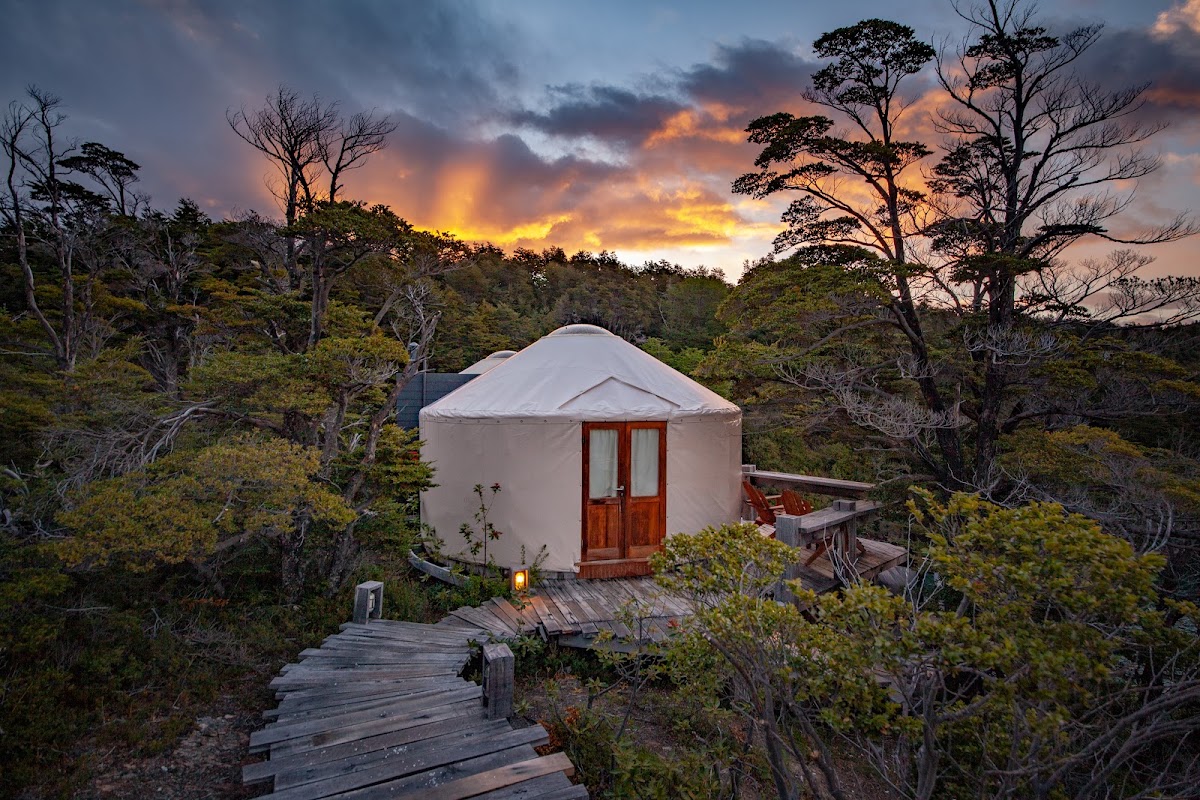
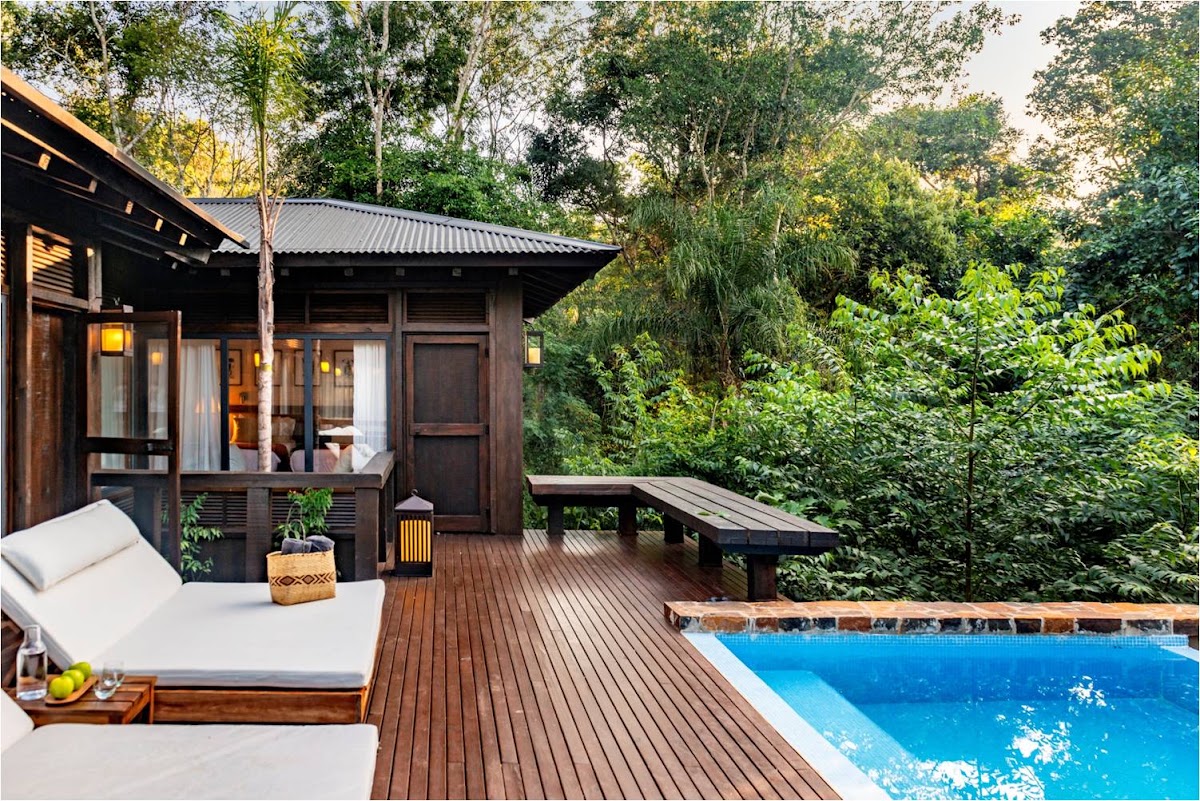
This is not a beach comparison; it is a choice between two of South America's great lodge-and-landscape trips. Both run on the all-inclusive lodge model, where meals, guided excursions, and transfers come bundled, but the settings differ. Chile is raw wilderness: the Atacama desert and the granite drama of Torres del Paine. Argentina leans food and wine: Mendoza's vineyards under the Andes, plus Patagonia and the subtropical falls at Iguazú.
By the numbers
| Chile | Measure | Argentina |
|---|---|---|
| – | U.S. travel advisory | – |
| 7 (better) | Resorts in our catalog | 2 |
| ★ 4.7 | Average guest rating | ★ 4.8 (better) |
| $729–$2293/night pp (better) | Nightly rates | $757–$2488/night pp |
| 0 of 7 | Adults-only resorts | 0 of 2 |
| Full board plus guided excursions and transfers, not a beach plan | All-inclusive means | Full board with wine plus guided excursions and transfers, not a beach plan |
| October–April (Southern Hemisphere spring to autumn) | Patagonia season | October–April, warmest December–February |
Advisory levels sync from travel.state.gov; catalog figures reflect the resorts we've researched, not every hotel in the country. A marked row is one we are willing to call; rows without a mark are a matter of taste, or we have no comparable figure for both sides.
On the map
Round by round
Chile for otherworldly extremes: the Atacama's salt flats and geysers, and Torres del Paine's towers. Argentina for range: vineyards, Patagonian steppe, and the thunder of Iguazú.
Argentina, clearly. Mendoza is the headline: Malbec, long lunches, and vineyard lodges. Chile has excellent wine country too, but Argentina builds a whole lodge experience around it.
Close: both share it. Chile's Torres del Paine is the iconic postcard and hiking mecca; Argentina's side (El Chaltén, the Perito Moreno glacier) is arguably better for glaciers and trekking towns.
A tie by design: both countries' lodges run the same all-inclusive format, full board plus a daily menu of guided excursions and transfers. The difference is what you do, not what's covered.
Chile's Atacama is year-round while its Patagonia is October–April; Argentina's Mendoza shines in autumn (February–April), its Patagonia October–April, and Iguazú works year-round. Match the region to your dates.
Both route through their capitals (Santiago, Buenos Aires) plus a domestic hop. Buenos Aires is a stronger reason to linger; Santiago is more of a transit point to the wilderness.
Of the 3 measures we call, Chile leads on 2 and Argentina leads on 1.
The verdict
Book Chile when the landscapes are the point: the Atacama's strangeness and Torres del Paine's grandeur, wilderness first. Book Argentina when you want wine and food woven through the trip, with Mendoza, Patagonia, and Iguazú plus a few nights in Buenos Aires. Since both share Patagonia, many travelers cross the border and do a bit of each.
Where you'd actually stay
Best of Chile
Full Chile guide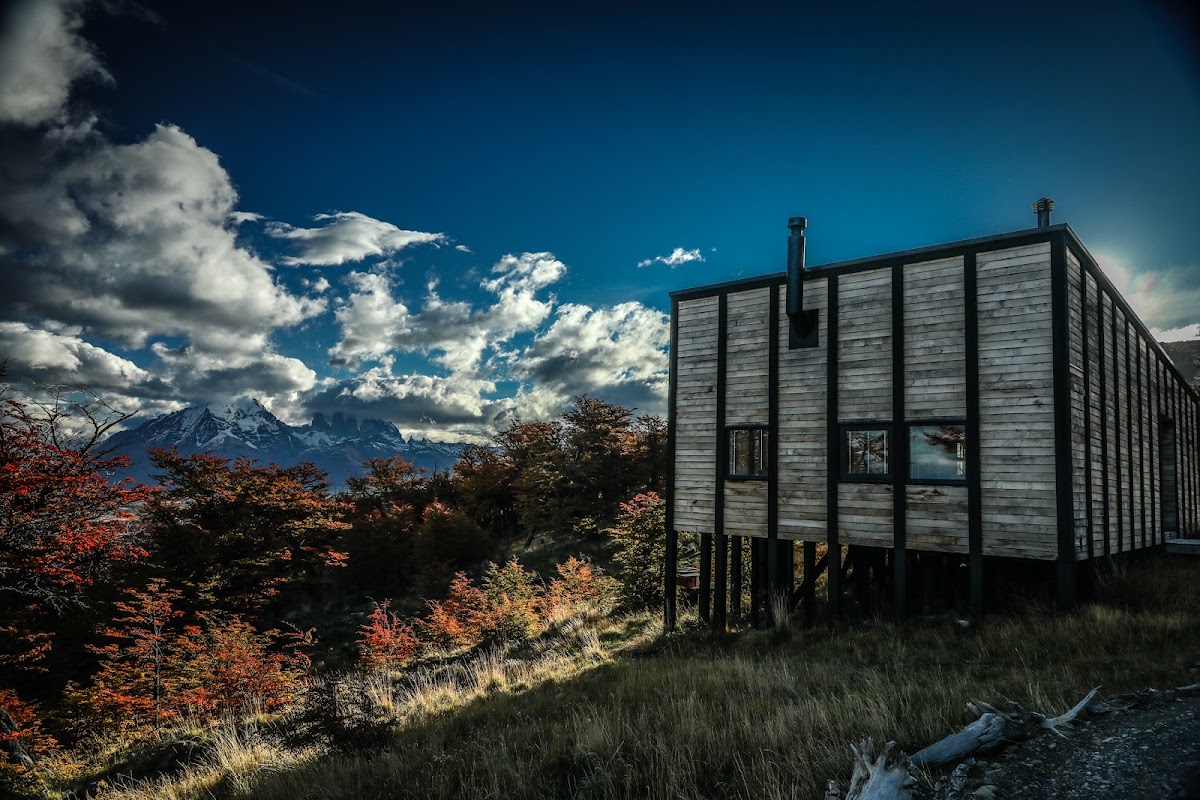
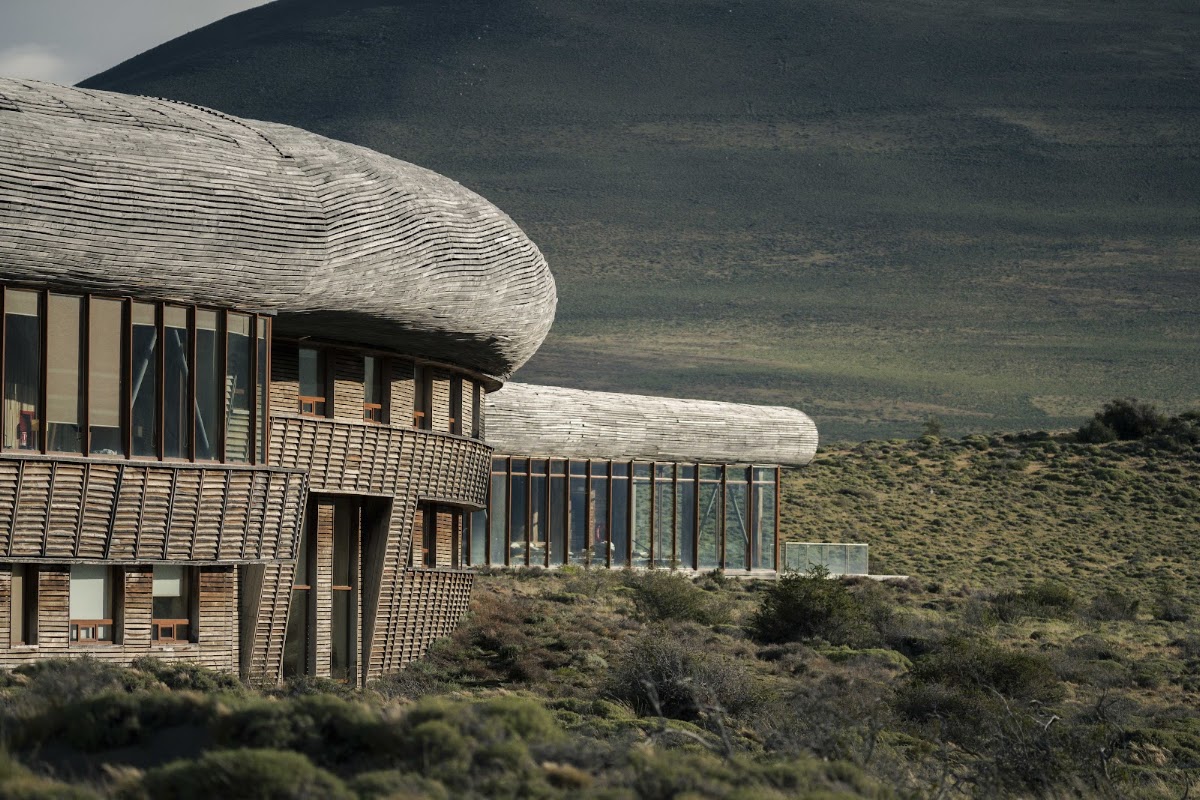
Chains here: Tierra Hotels · Explora · Awasi
Frequently asked questions
Is Chile or Argentina better for Patagonia?
Both are excellent and share the region. Chile's Torres del Paine is the iconic hiking showpiece; Argentina's side excels for glaciers (Perito Moreno) and trekking bases like El Chaltén. Many Patagonia trips cross the border to combine the two.
What does all-inclusive mean at Chilean and Argentine lodges?
In both countries it means the lodge model: full board plus a daily choice of guided excursions and the transfers to reach them, not a beach resort's wristband. The format is the same across both; what differs is the landscape and, in Argentina, the wine-and-food emphasis.