Morocco hands you two holidays in one: easy beach resorts in Agadir and El Jadida, and the storybook chaos of a Marrakech riad an hour inland. It's visa-free for Americans, the food is a revelation, and the call to prayer over a rooftop dinner is the kind of thing you fly for.
- Language
- Arabic & French
- English at resorts
- Currency
- Moroccan dirham (MAD) – closed currency, get cash locally
- Power
- 220V, Type C/E plugs
- European – adapter needed
- Driving
- On the right
- Main airport
- Agadir (AGA), Marrakech (RAK), or Casablanca (CMN)
Where Morocco splits
The resort areas are not interchangeable. What each one is actually for.
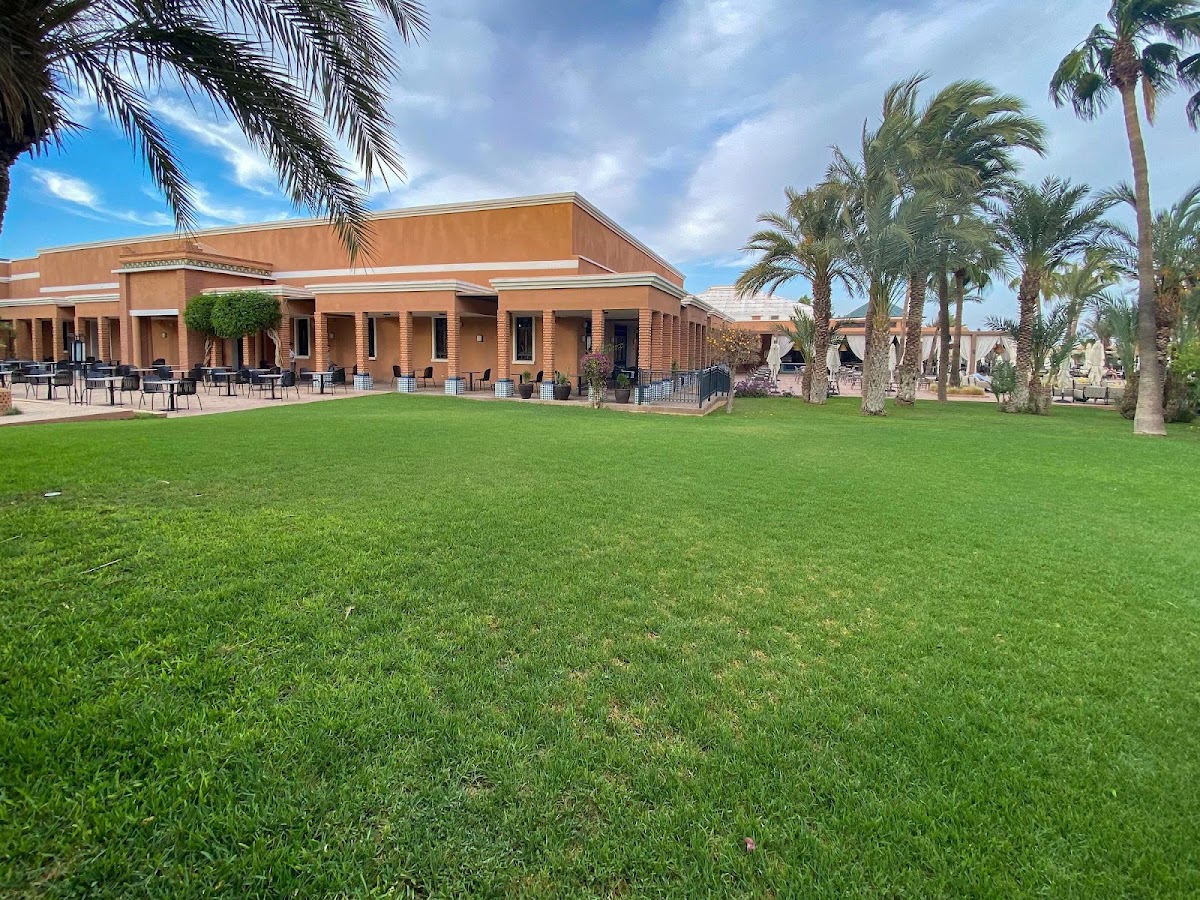
Marrakech
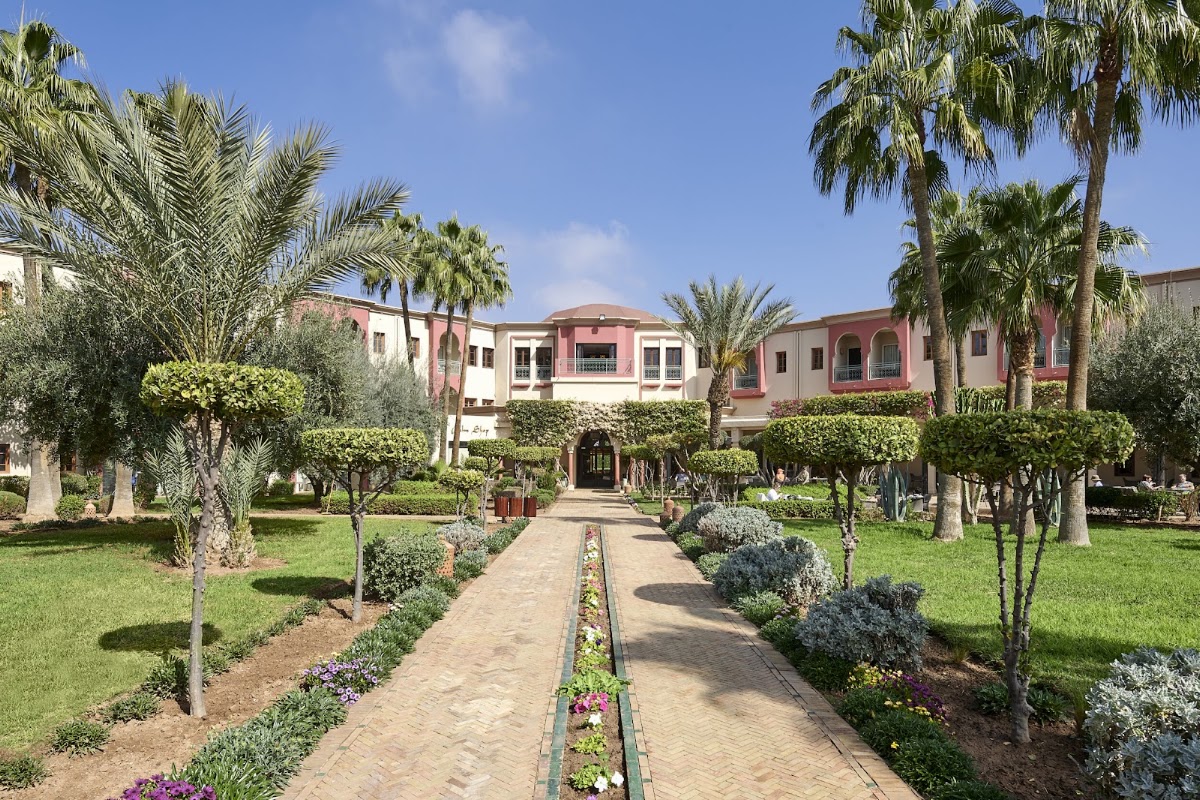
The city break with a pool: riads and palace hotels inside or just outside the walls, the souks and the Jemaa el-Fna a taxi away, and the Atlas mountains on the skyline. Pick it for the culture, the food and the day trips. It is inland, so there is no beach and high summer is genuinely fierce.
Start with Sol Oasis Marrakech - All Inclusive, four-star.
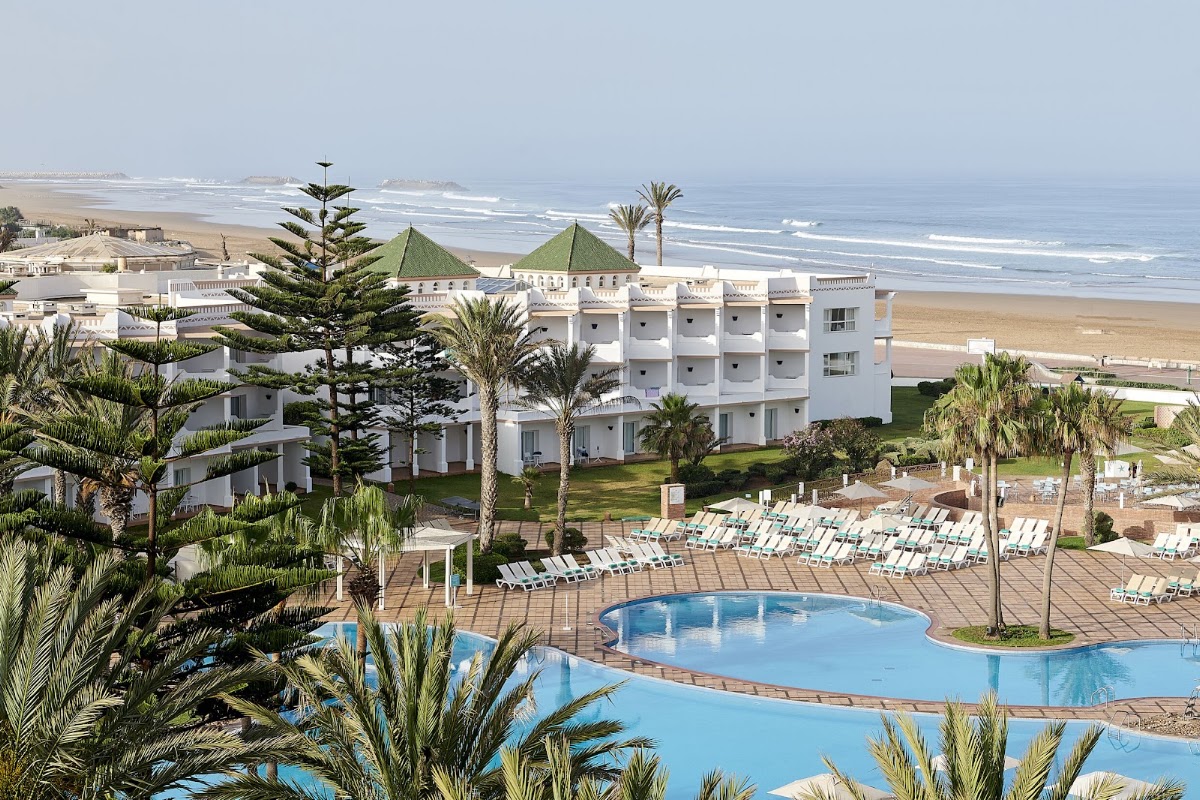
Agadir & Taghazout
The Atlantic beach coast: a six-mile crescent of sand at Agadir, surf breaks and low-rise resorts up at Taghazout, and sun almost every day of the year. Pick it for a beach week with winter warmth. The Atlantic is cold and often breezy, so this is a sunbathing coast more than a swimming one.
Start with Iberostar Waves Founty Beach, four-star.
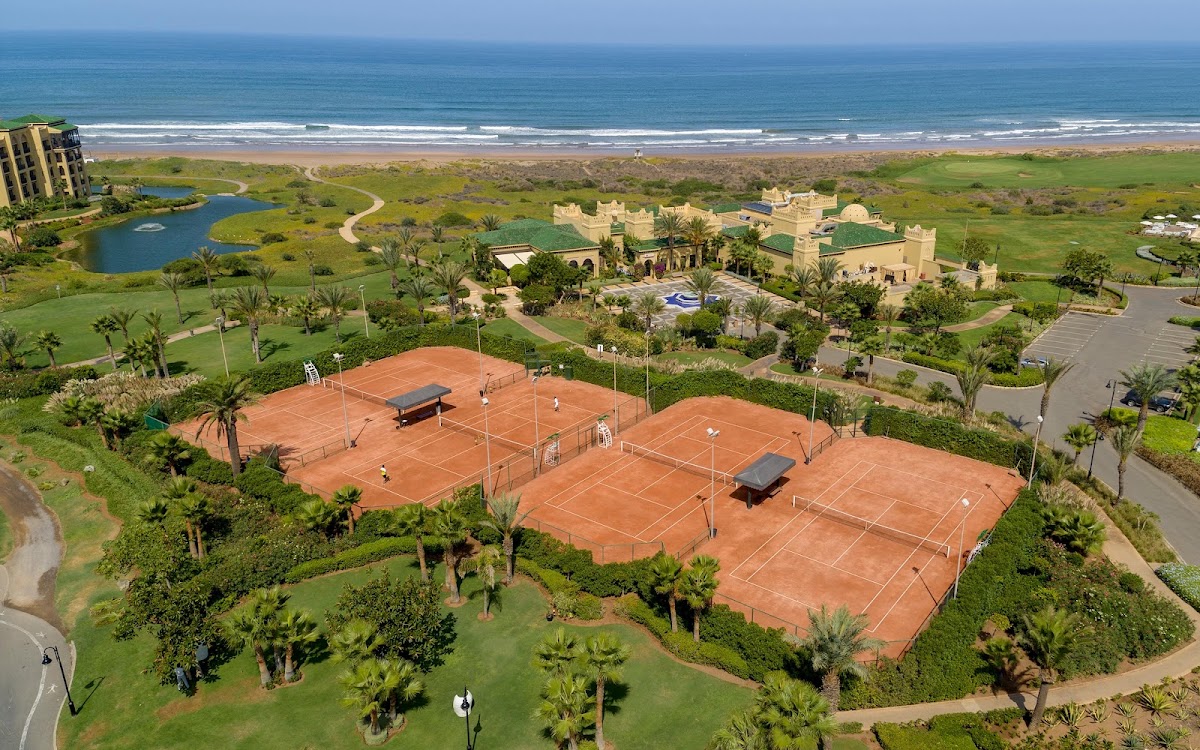
El Jadida
Ninety minutes south of Casablanca: a Portuguese walled town, a long empty Atlantic beach and a golf resort next to it. Pick it for a quiet coast within reach of a major airport. There is little tourist infrastructure beyond the resort itself.
Start with Mazagan Beach & Golf Resort, five-star.
When to go to Morocco
Climate normals for Agadir, and our verdict on each month.
| Measure | Jan | Feb | Mar | Apr | May | Jun | Jul | Aug | Sep | Oct | Nov | Dec |
|---|---|---|---|---|---|---|---|---|---|---|---|---|
| Average daily high | 69 degrees Fahrenheit | 70 degrees Fahrenheit | 73 degrees Fahrenheit | 74 degrees Fahrenheit | 77 degrees Fahrenheit | 79 degrees Fahrenheit | 81 degrees Fahrenheit | 81 degrees Fahrenheit | 81 degrees Fahrenheit | 79 degrees Fahrenheit | 74 degrees Fahrenheit | 70 degrees Fahrenheit |
| Rainfall | 1.9″ | 1.4″ | 1.3″ | 0.9″ | 0.2″ | 0.1″ | 0″ | 0.1″ | 0.2″ | 1″ | 2″ | 2.2″ |
| Verdict | Off-peak | Shoulder | Shoulder | Good | Good | Good | Good | Good | Good | Shoulder | Off-peak | Off-peak |
Sweet spot. Genuinely year-round; spring and fall are ideal; rainy season runs November–February, and lightly.
Storm risk. No tropical systems; Agadir's Atlantic position keeps summers pleasantly moderate rather than scorching.
Figures are long-term climate normals for Agadir, good for planning. They are not a forecast.
Do you need a passport or visa for Morocco?
U.S. citizens need a passport valid for at least six months with two blank pages, but no visa for tourist stays up to 90 days – Morocco stamps you in on arrival.
Have proof of onward travel and your hotel booking handy in case you're asked. Rules can change, so confirm the latest on travel.state.gov before you fly.
Is Morocco safe?
Morocco is a well-trodden, welcoming destination, and Moroccan security services are widely credited as effective. It carries a U.S. travel advisory citing terrorism – the same tier now applied to much of Western Europe (the current level is shown at the top of this guide).
The everyday reality at resorts and in the medinas is pushy vendors and the odd scam, not danger. Keep your wits in crowds and check travel.state.gov before you go.
Currency and tipping
The dirham is a 'closed' currency – you generally can't buy it abroad and shouldn't take it out, so withdraw from ATMs or exchange once you land. Carry small notes; cash still rules in the souks.
Tipping is woven into daily life: round up taxis, leave 5–10% in restaurants, and a few coins for porters, parking guides, and helpful hands.
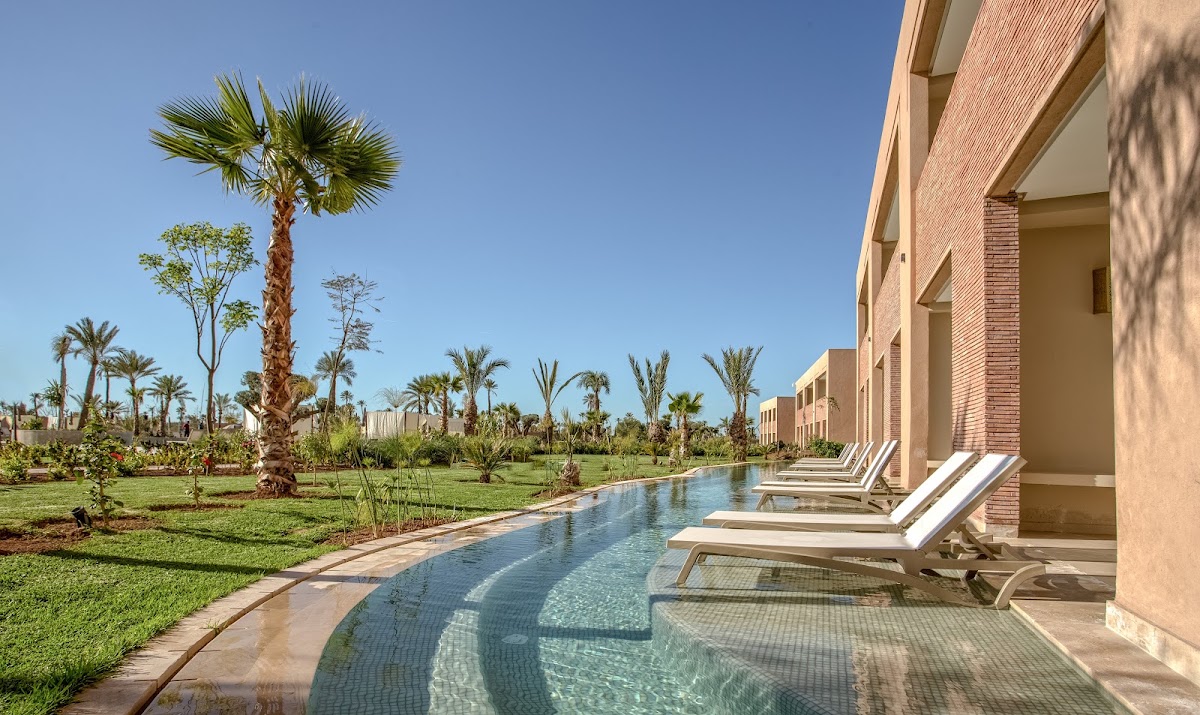
When to visit
Spring (March–May) and autumn (September–November) are ideal – warm coasts, comfortable Marrakech. Summer is beach-perfect in breezy Agadir but blazing inland, and winter is mild on the coast with cool nights.
Getting there & around
Most U.S. travelers connect through Europe into Agadir (AGA), Marrakech (RAK), or Casablanca (CMN). Morocco drives on the right; resort transfers, grand taxis, and the slick high-speed train between Casablanca and the north cover most needs.
What to do beyond the resort
Lose an afternoon in Marrakech's Jemaa el-Fnaa and souks, ride a camel or surf at Taghazout near Agadir, and wander El Jadida's Portuguese cistern. A High Atlas day trip or a desert overnight is well worth the drive.
Good to know
Power & plugs: 220V, European Type C/E – bring an adapter. Language: Arabic and French; English is fine at resorts. Water: stick to bottled. Dress modestly away from the beach, and always agree a taxi fare or price before you commit.
Getting to Morocco
Indicative round-trip fares into Agadir (AGA) from the major US gateways, cheapest first. Tap through for live prices and dates.
| From | Airport | Round trip |
|---|---|---|
| Newark | EWR | $666Cheapest |
| New York | JFK | $705 |
| Boston | BOS | $731 |
| Miami | MIA | $781 |
| Chicago | ORD | $808 |
| Dallas | DFW | $862 |
| Atlanta | ATL | $900 |
| Los Angeles | LAX | $915 |
Where the Morocco resorts are
17 resorts mapped stars are five-star properties
The best all-inclusive resorts in Morocco
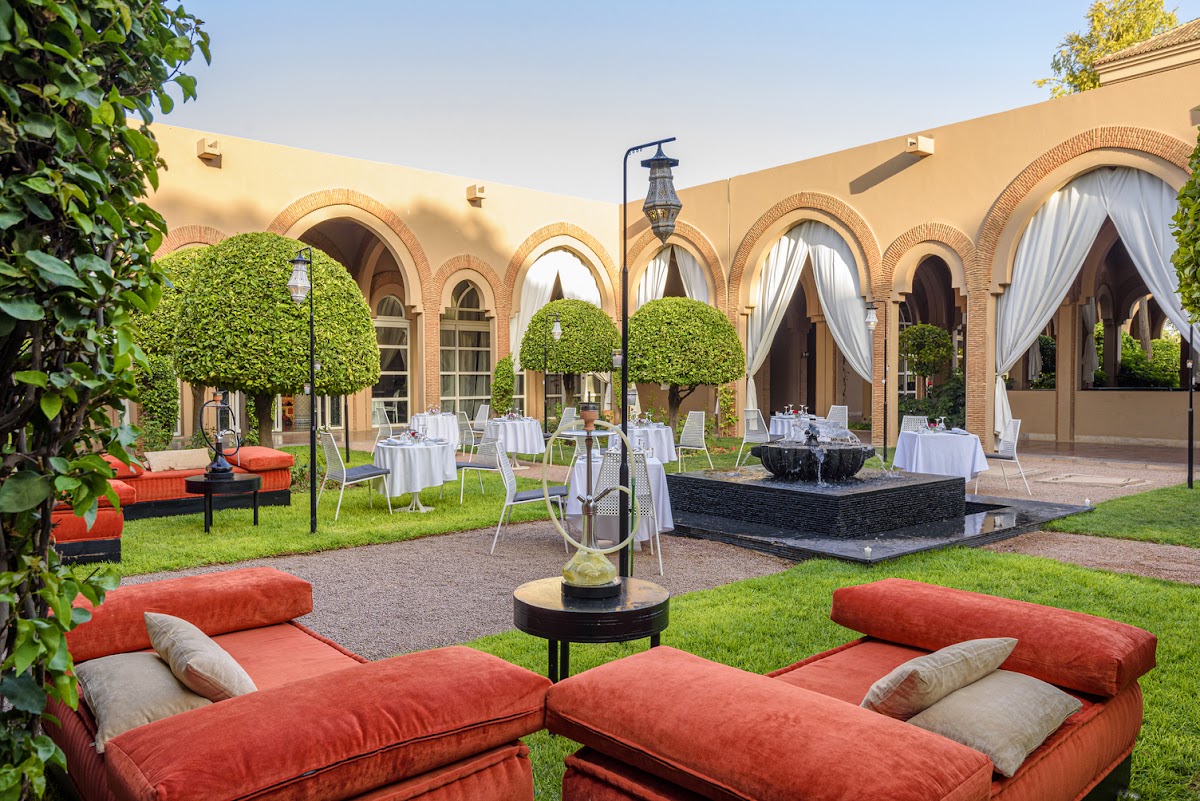
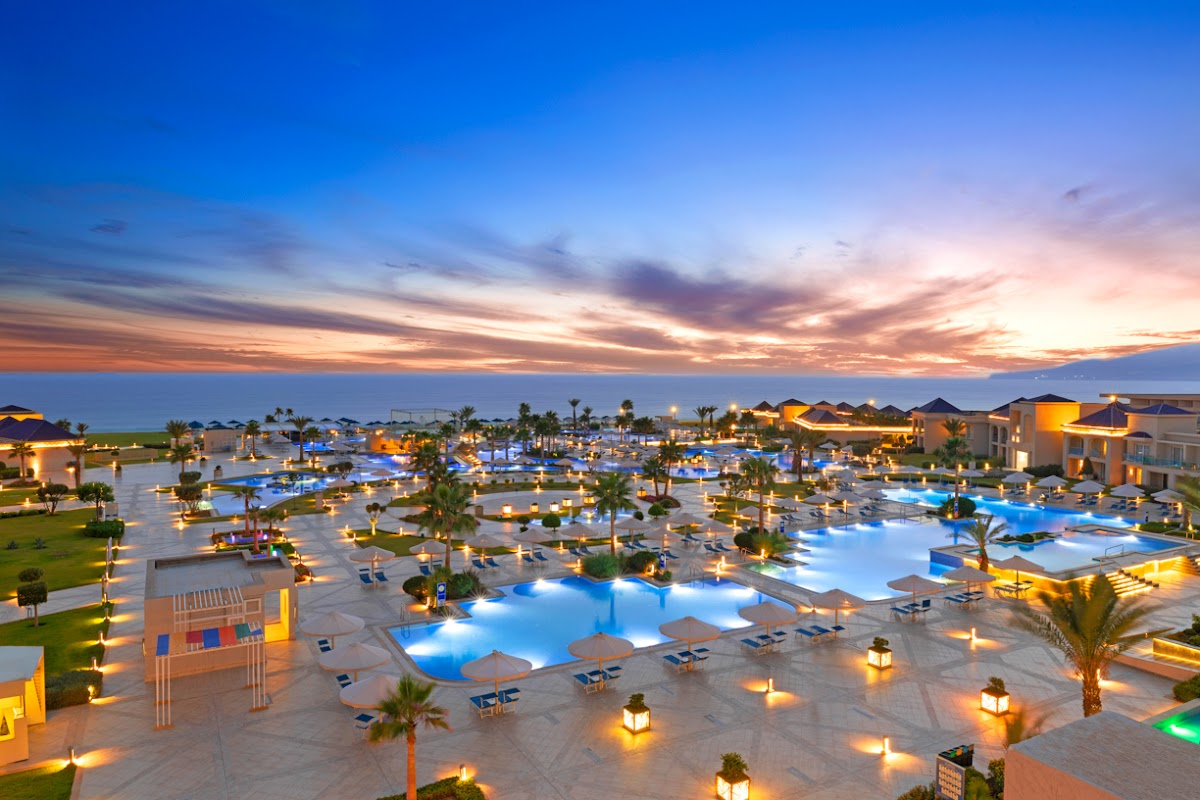
The Morocco properties we would actually book. For the full numbered ranking, see the best all-inclusive resorts in Morocco.
Where to stay in Morocco
The resort areas we cover, and which properties sit in each.
Marrakech
8Agadir & Taghazout
8El Jadida
1Resort chains in Morocco
The brands operating here. The ones we rank in full link through to the chain, what its plan really covers, and every resort of theirs we track.
Where these companies came from
Almost nobody in this category publishes it. Read oldest first and the list is a short history of how Morocco came to look the way it does.
Morocco, head to head
Price, flights, sand, food and safety, compared honestly.
Morocco vs JamaicaMexicoDominican RepublicMaldivesGreeceSpainTurks & CaicosArubaBarbadosSt. LuciaItalyPortugalTurkeyAntiguaCuraçaoBrazilCosta RicaPhilippinesFrench PolynesiaEgyptSouth AfricaMauritiusKenyaTanzaniaMozambiqueThailandIndonesiaMalaysiaPunta CanaCancúnRiviera MayaLos CabosPuerto VallartaMontego BayNegrilOcho RiosGuanacasteCreteBahiaBora BoraMalé AtollsRodney BayBarbados South CoastBarbados West CoastViti LevuVanua LevuCanary IslandsBalearic IslandsCosta del SolSharm el-SheikhHurghada & the Red Sea CoastBelekRhodesLara & AntalyaMaldives Outer AtollsCorfuHalkidikiKosSoufrière & South St. LuciaGrenadaFijiCroatiaU.S. Virgin IslandsSri LankaSeychellesBahamasChileArgentinaUnited States
Best-of lists for Morocco
Frequently asked questions
Do I need a visa for Morocco?
No – U.S. citizens get a visa-free stay of up to 90 days. You just need a passport valid six months out with two blank pages. Confirm current rules on travel.state.gov.
Is Morocco safe to visit?
Yes, it's a popular, welcoming destination. Its U.S. advisory cites terrorism – the same tier as much of Europe. Petty scams are the everyday concern, not danger. Check the current level at travel.state.gov.
Can I get Moroccan dirham before I travel?
Generally no – the dirham is a closed currency you can't buy abroad. Withdraw from ATMs or exchange cash after you arrive, and carry small notes for the souks.
Do you tip in Morocco?
Yes, modestly. Leave 5–10% in restaurants, round up taxis, and keep coins handy for porters, parking attendants, and small services.
When is the best time to visit Morocco?
Spring and autumn are the sweet spots – warm coasts and a comfortable Marrakech. Summer is great on breezy Agadir but very hot inland.
Which airport should I fly into for Morocco?
Agadir (AGA) for the beach, Marrakech (RAK) for the city, or Casablanca (CMN) as the main hub. Most U.S. flights connect through Europe.