Argentina's all-inclusive is the lodge, not the beach: rates that fold in meals, wine, guided outings, and transfers, set against Mendoza's vineyards under the Andes, the steppe and peaks of Patagonia, and the subtropical falls of the north. It is a food-and-landscape trip more than a poolside one, and the all-inclusive format is what turns famously spread-out country into an easy, hand-it-over week.
- Three regions
- Mendoza wine country, Patagonia (south), and Iguazú (north)
- All-inclusive means
- Full board with wine plus guided excursions and transfers, not a beach plan
- Mendoza gateway
- Mendoza (MDZ), via Buenos Aires or Santiago
- Harvest season
- February–April, the vineyard highlight
- Patagonia season
- October–April, warmest December–February
Where Argentina splits
The resort areas are not interchangeable. What each one is actually for.
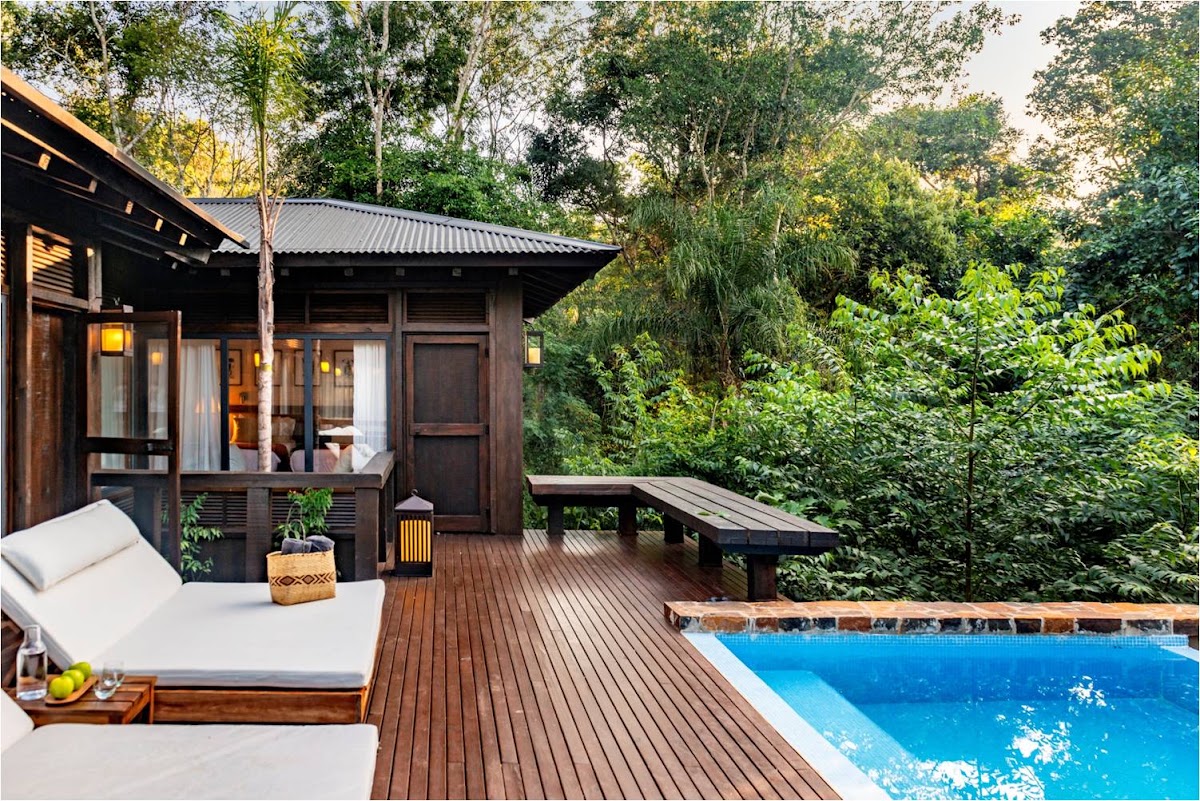
Iguazú
The falls: 275 cascades across two miles of rainforest on the Brazilian border, with the lodges close enough to walk in before the day trippers. Pick it for one of the great sights on earth. Two or three days covers it, and it is hot and humid year-round.
Start with Awasi Iguazú, five-star.
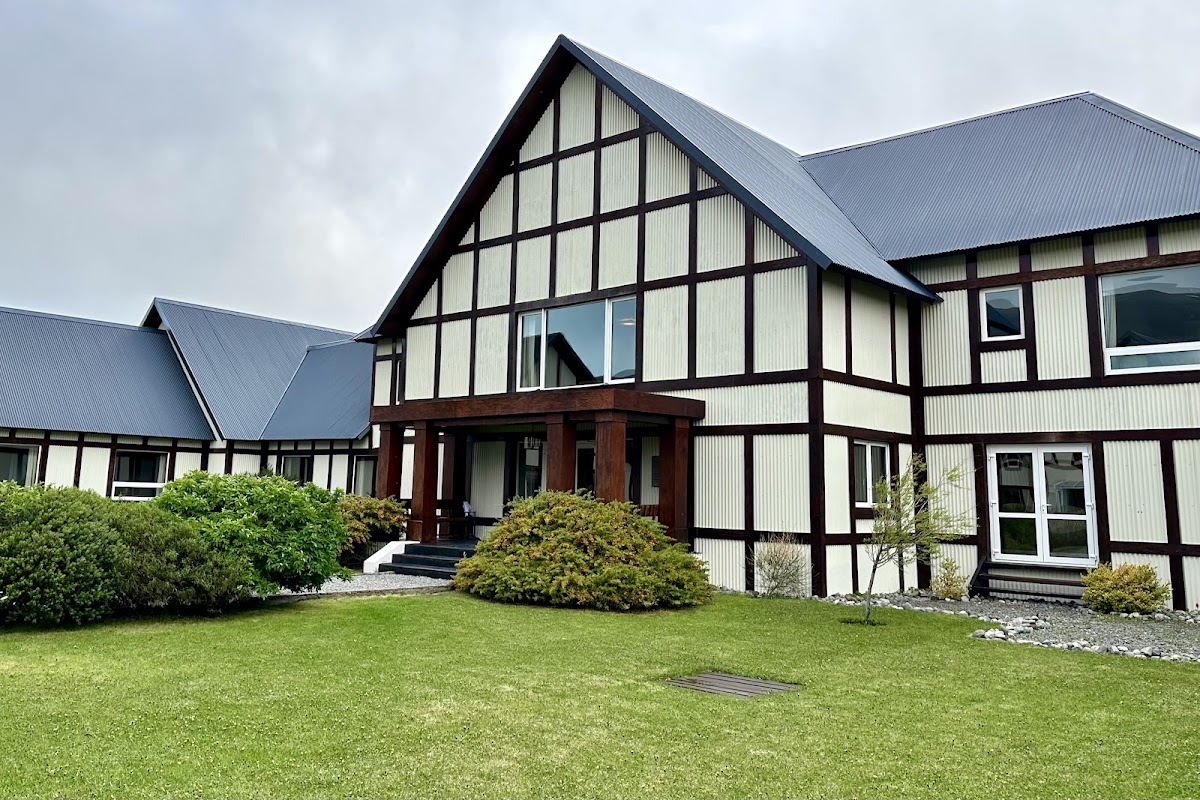
El Calafate
The gateway to the Perito Moreno glacier and to Argentine Patagonia's trekking. Pick it for the glacier, which calves into the lake in front of you, and for the drive up to El Chaltén. It is a long way from anywhere and the season runs October to April.
Start with EOLO Patagonia's Spirit, five-star.
Where the Argentina resorts are
2 resorts mapped stars are five-star properties
Mendoza, Patagonia, or the north?
Mendoza is the signature: Malbec vineyards spread across high desert with the snow-capped Andes behind, where wine-country lodges build the day around tastings, harvest, horseback rides, and long lunches. It is the most relaxed of the three and the easiest to pair with Buenos Aires.
Patagonia shares the far south with Chile, trading vineyards for glaciers, lakes, and trekking around El Calafate and El Chaltén. The subtropical north, around the thundering Iguazú Falls, is the third option: humid, green, and year-round, with lodges set against the rainforest. Each has its own season and character.
When to go
Mendoza is loveliest in autumn (February–April), when the harvest is on and the vines turn gold, though spring is also lovely. Patagonia follows the Southern Hemisphere calendar, roughly October to April, with December to February warmest and busiest. Iguazú in the north is a year-round destination, hot and humid in summer, milder and more comfortable in the cooler months.
What the lodges include
As in Chile, the all-inclusive lodge bundles accommodation, all meals and wine, a daily choice of guided excursions, and the transfers between them. In Mendoza that means winery visits and vineyard rides; in Patagonia, glacier walks and hikes; near Iguazú, guided trips to the falls. The format exists to take the logistics of a big, far-flung country off your plate.
Good to know
Most trips route through Buenos Aires, which is worth a few nights of its own for the steak, tango, and cafes. The peso is volatile, so lodges price in dollars and cards are simplest; carry some cash for tips and small towns. Distances are large and often need a domestic flight, so build in connection time. These are active, excursion-led stays, with Mendoza the one region where lingering over lunch is the whole idea.
The best all-inclusive resorts in Argentina
The Argentina properties we would actually book.
Where to stay in Argentina
The resort areas we cover, and which properties sit in each.
Iguazú
1El Calafate
1From our sister site, It’s All Cruises
Would you rather be at sea?
Cruise ships call at three ports in Argentina. If you are torn between a week at a resort and a cruise, our port guides show what a day ashore here really looks like.
Resort chains in Argentina
The brands operating here. The ones we rank in full link through to the chain, what its plan really covers, and every resort of theirs we track.
Argentina, head to head
Price, flights, sand, food and safety, compared honestly.
Argentina vs JamaicaMexicoDominican RepublicMaldivesGreeceSpainTurks & CaicosArubaBarbadosSt. LuciaItalyPortugalTurkeyAntiguaCuraçaoBrazilCosta RicaPhilippinesFrench PolynesiaMoroccoEgyptSouth AfricaMauritiusKenyaTanzaniaMozambiqueThailandIndonesiaMalaysiaPunta CanaCancúnRiviera MayaLos CabosPuerto VallartaMontego BayNegrilOcho RiosGuanacasteCreteBahiaBora BoraMalé AtollsRodney BayBarbados South CoastBarbados West CoastViti LevuVanua LevuCanary IslandsBalearic IslandsCosta del SolSharm el-SheikhHurghada & the Red Sea CoastBelekRhodesLara & AntalyaMaldives Outer AtollsCorfuHalkidikiKosSoufrière & South St. LuciaGrenadaFijiCroatiaU.S. Virgin IslandsSri LankaSeychellesBahamasChileUnited States
Frequently asked questions
What does all-inclusive mean at an Argentine lodge?
It means full board (usually with wine) plus a daily choice of guided excursions and the transfers to reach them, not a beach resort's wristband. Mendoza's wine-country lodges, Patagonia's trekking lodges, and the Iguazú lodges all run on this format.
When is the best time to visit Argentina?
It depends on the region. Mendoza wine country is best in autumn (February–April) for the harvest; Patagonia is best October to April; and Iguazú in the north works year-round. Because the regions are far apart, most itineraries pick one or two and route through Buenos Aires.