Viti Levu is Fiji's mainland: the island with the international airport, the road network, and the resorts you can reach with a taxi instead of a catamaran. Denarau, twenty minutes from Nadi, is the gated convenience hub; the Coral Coast, an hour or two south along the Queens Road, strings big lagoon-front resorts between Fijian villages. You give up the tiny-private-island fantasy and get back easy logistics, kids' clubs at scale, and the country's best-value big-resort beds.
- Airport
- Nadi (NAN)
- Denarau 20 min, Coral Coast 60–90 min by road
- The zones
- Denarau (marina, golf, big brands) and the Coral Coast (lagoon resorts)
- Best for
- Families, first Fiji trips, no-boat-transfer logistics
- Season
- May–October dry
- November–April wet/cyclone season
- Signature
- Legendary kids' clubs and village-visit culture
Where Viti Levu splits
The resort areas are not interchangeable. What each one is actually for.
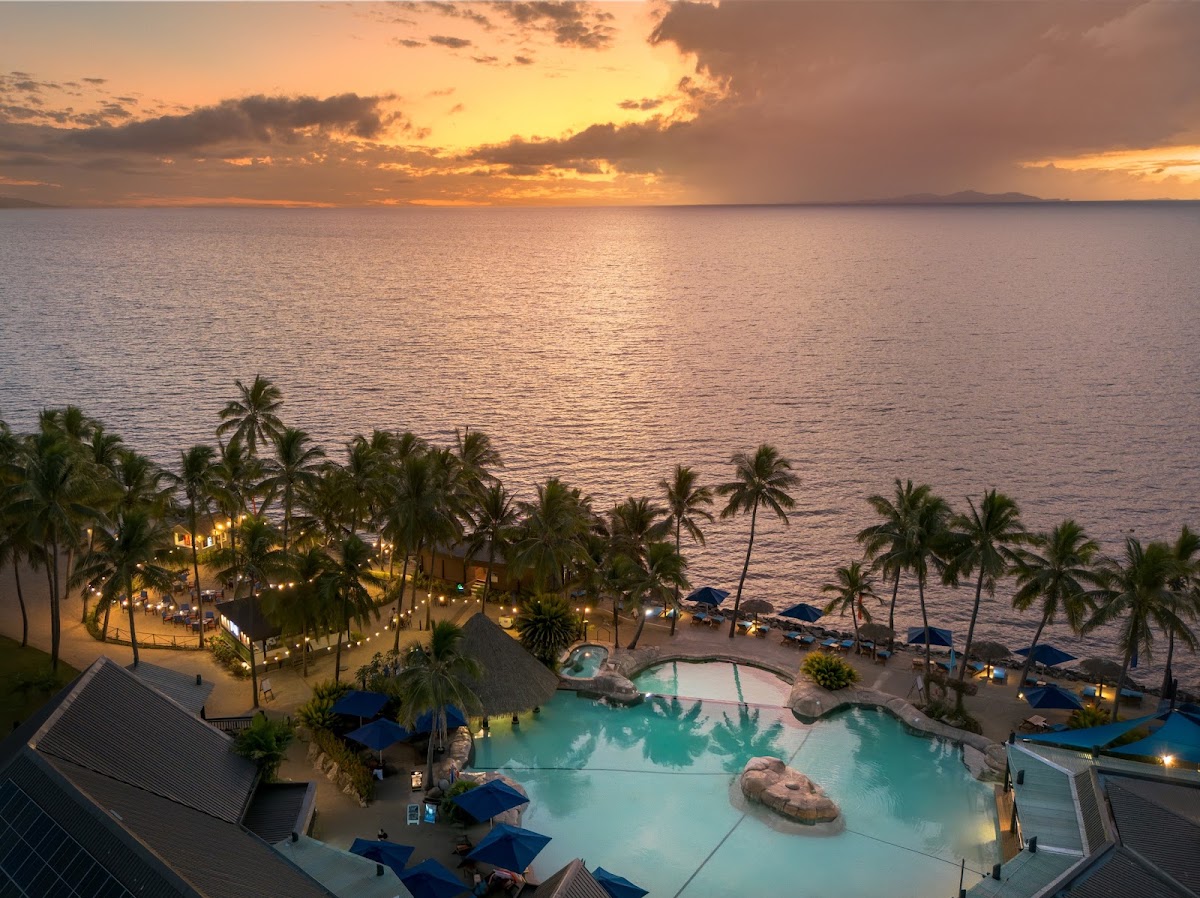
Sonaisali Island
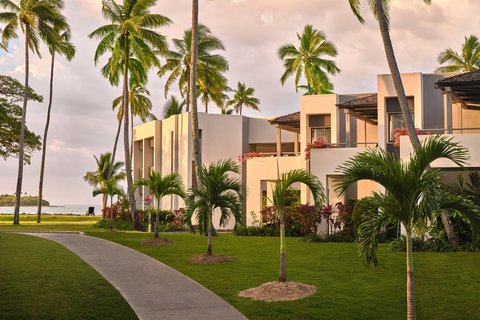
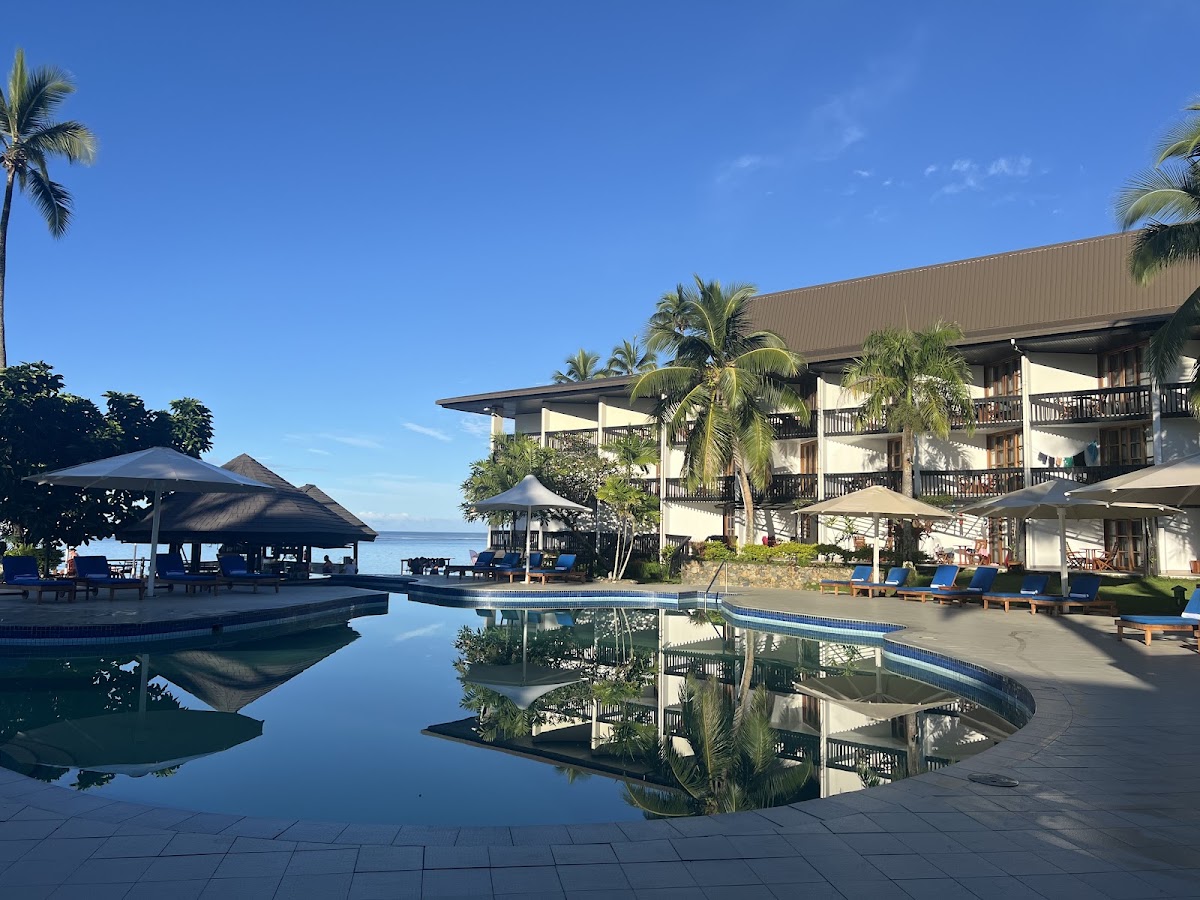
DoubleTree Resort by Hilton Hotel Fiji - Sonaisali Island, four-star.
Where the Viti Levu resorts are
6 resorts mapped stars are five-star properties
When to visit Viti Levu
Climate normals for Nadi / Denarau, and our verdict on each month.
| Measure | Jan | Feb | Mar | Apr | May | Jun | Jul | Aug | Sep | Oct | Nov | Dec |
|---|---|---|---|---|---|---|---|---|---|---|---|---|
| Average daily high | 88°F31°C | 88°F31°C | 87°F31°C | 85°F29°C | 83°F28°C | 81°F27°C | 80°F27°C | 80°F27°C | 82°F28°C | 84°F29°C | 86°F30°C | 87°F31°C |
| Rainfall | 11.9″ | 11.3″ | 12.9″ | 7.1″ | 3.9″ | 2.4″ | 1.9″ | 2.4″ | 3.2″ | 4.2″ | 5.5″ | 7.5″ |
| Verdict | Off-peak | Off-peak | Off-peak | Shoulder | Prime | Prime | Prime | Prime | Prime | Prime | Shoulder | Shoulder |
May–October is the dry season: reliably sunny, low humidity, and aligned with northern-hemisphere school holidays. November–April is the wet: hotter, stickier, afternoon downpours, and the South Pacific cyclone season (occasional, not annual, but the half of the year to insure). The west and south coasts where the resorts sit are the island's dry side year-round.
Sweet spot. May–October: dry, mid-80s, and aligned with northern-summer holidays; rainy season runs November–April, wettest January–March; the resort-lined west and south are the island's dry side.
Storm risk. South Pacific cyclone season runs November–April; hits are occasional rather than annual, but it's the half of the year to insure.
Figures are long-term climate normals for Nadi / Denarau, good for planning. They are not a forecast.
Denarau or the Coral Coast?
Denarau is the practical choice: a reclaimed island of familiar big-brand resorts sharing a golf course, a marina (where island boats depart), and a 20-minute run to the airport. Its beach is functional rather than postcard (dark sand, calm water), so Denarau resorts sell the pools, the kids' clubs, and the convenience. The Coral Coast is the scenic route: wide lagoons behind a fringing reef, bigger stretches of sand, village culture next door, and resorts that feel like destinations rather than a compound.
Momi Bay, south of Nadi, splits the difference: resort-quality beach and lagoon within 45 minutes of the airport, including Fiji's rare overwater bures on the mainland.
Mainland versus the island resorts
The Mamanucas and Yasawas offshore have the white-sand postcards, but they add a catamaran (or seaplane) leg each way and island pricing on everything. Viti Levu resorts skip all that: land, drive, check in. For families hauling car seats, short stays, or trips where the golf/spa/kids-club infrastructure matters more than a private beach, the mainland is the right call, and a night on Denarau at either end is the classic setup even for island itineraries.
Beyond the resort
Sigatoka's sand dunes and river-valley 'Salad Bowl' safaris, the Kula Wild adventure park (a Coral Coast family staple), village visits and kava ceremonies arranged by every resort, whitewater rafting the Upper Navua, and day boats from Denarau to the Mamanucas, including the day-trip version of the famous island beach clubs. Nadi town adds the Garden of the Sleeping Giant and the colorful Sri Siva Subramaniya temple.
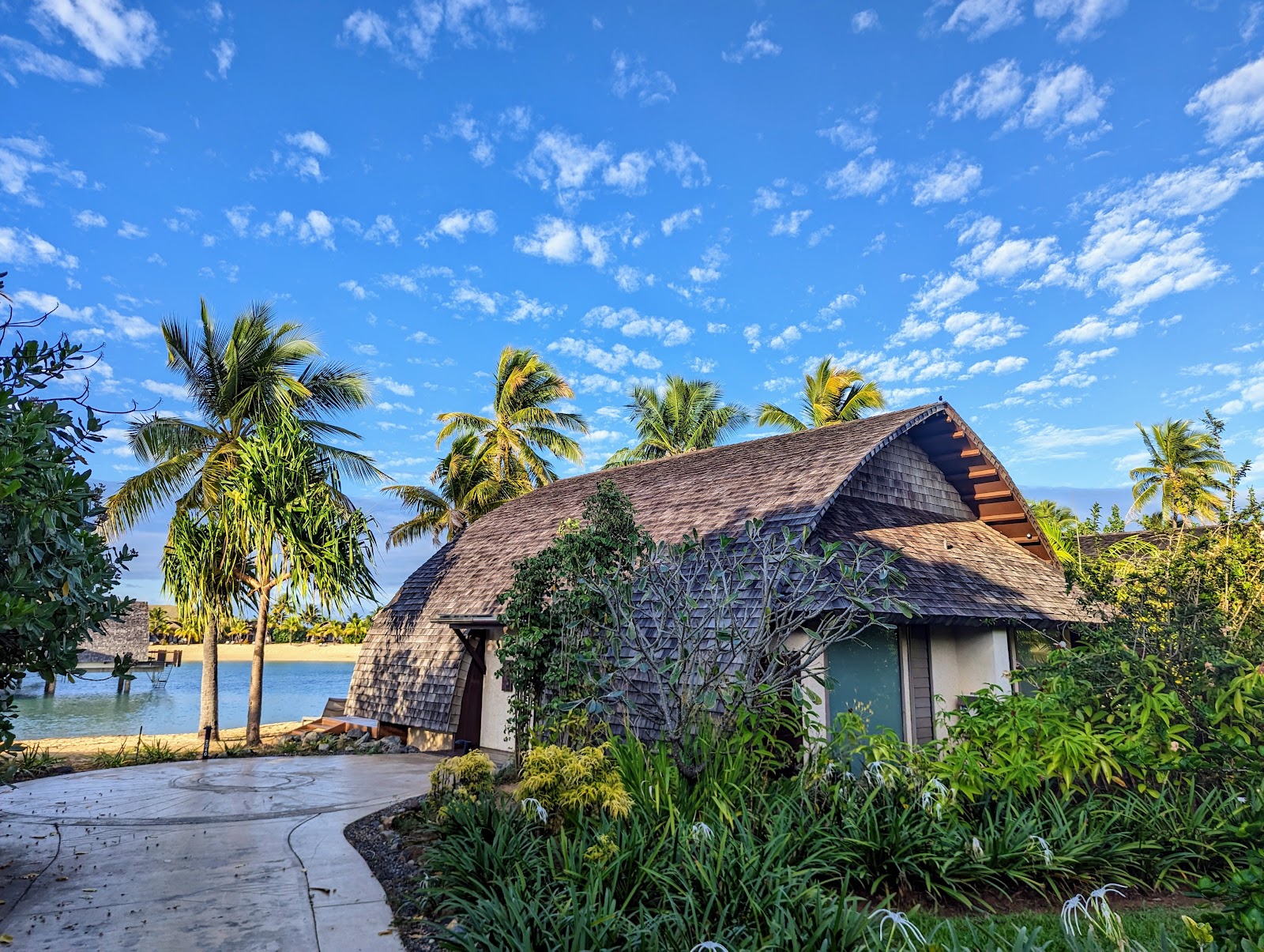
The best all-inclusive resorts in Viti Levu
The Viti Levu properties we would actually book.
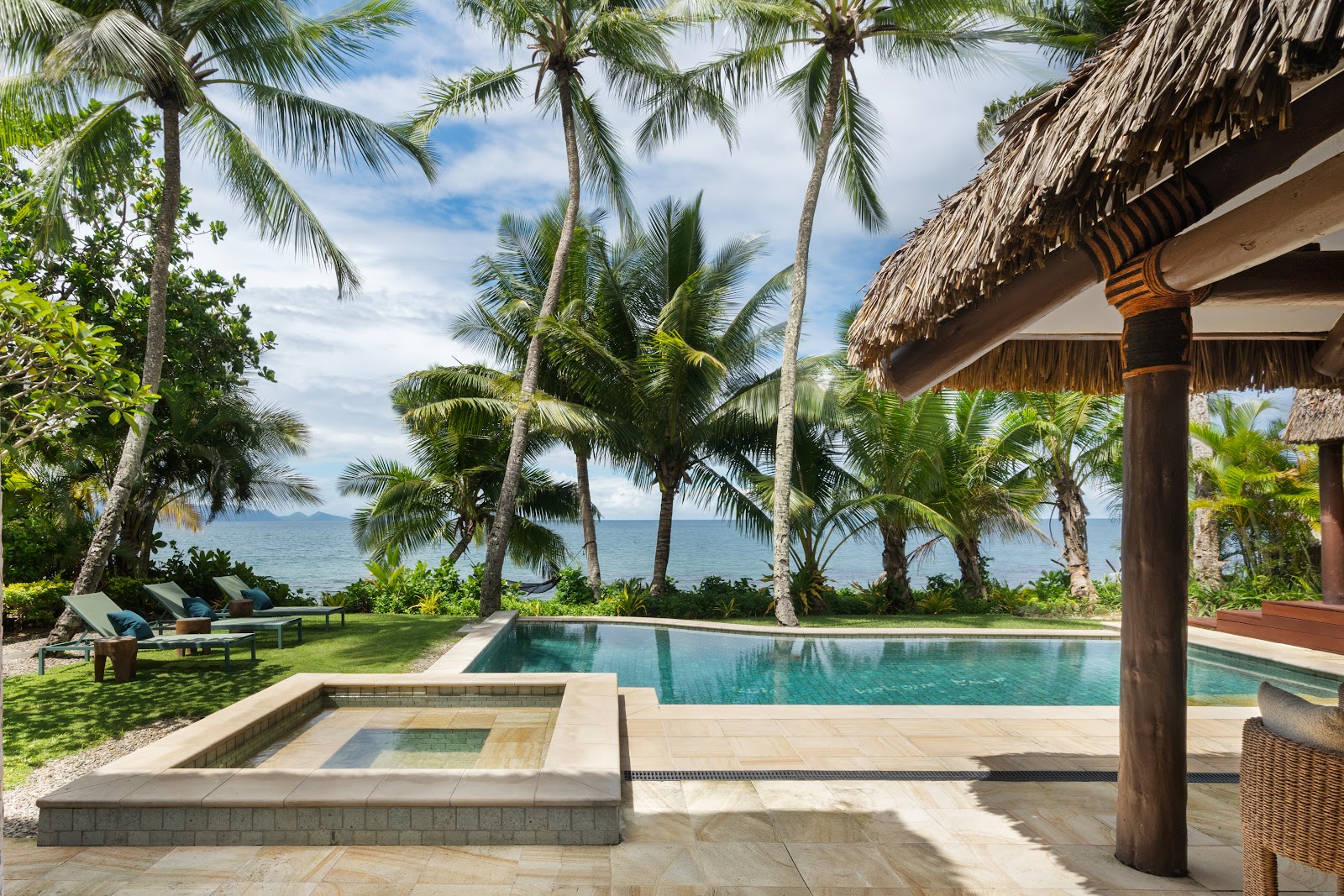
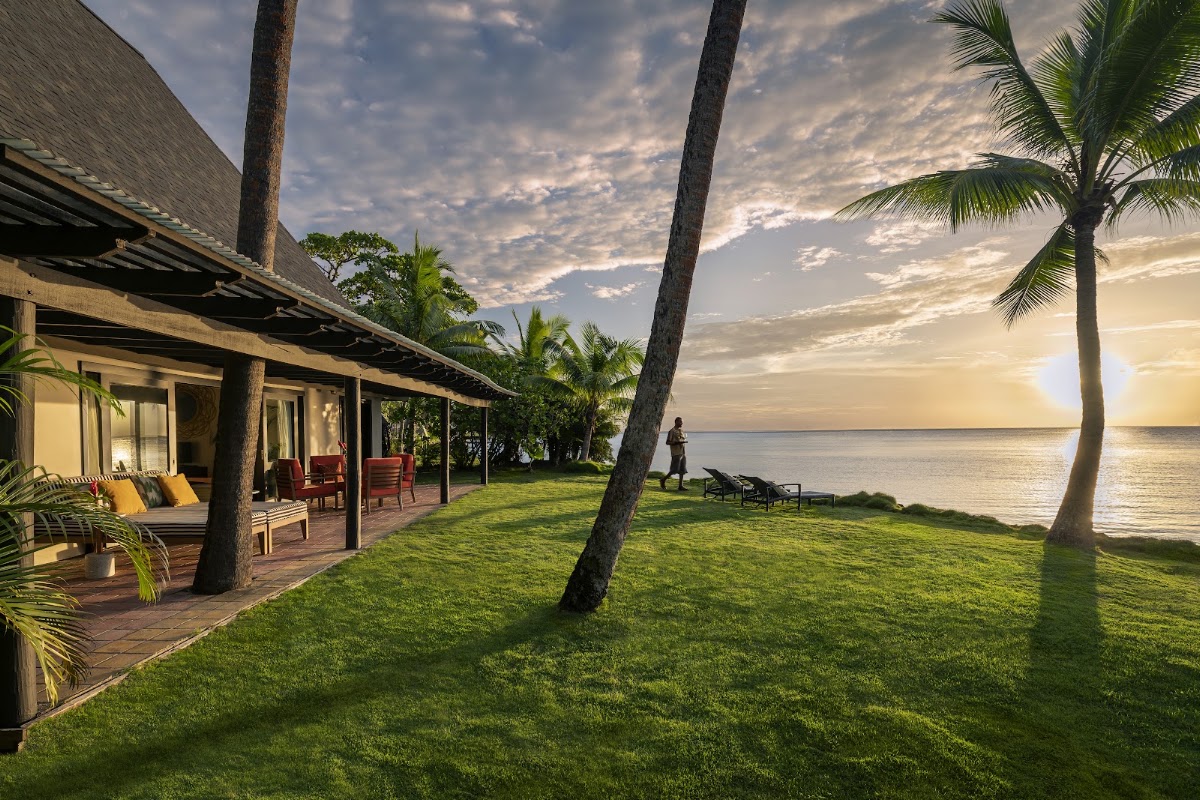
Where to stay in Viti Levu
The resort areas we cover, and which properties sit in each.
Resort chains in Viti Levu
The brands operating here. The ones we rank in full link through to the chain, what its plan really covers, and every resort of theirs we track.
Viti Levu, head to head
Price, flights, sand, food and safety, compared honestly.
Viti Levu vs JamaicaMexicoDominican RepublicMaldivesGreeceSpainTurks & CaicosArubaBarbadosSt. LuciaItalyPortugalTurkeyAntiguaCuraçaoBrazilCosta RicaPhilippinesFrench PolynesiaMoroccoEgyptSouth AfricaMauritiusKenyaTanzaniaMozambiqueThailandIndonesiaMalaysiaPunta CanaCancúnRiviera MayaLos CabosPuerto VallartaMontego BayNegrilOcho RiosGuanacasteCreteBahiaBora BoraMalé AtollsRodney BayBarbados South CoastBarbados West CoastVanua LevuCanary IslandsBalearic IslandsCosta del SolSharm el-SheikhHurghada & the Red Sea CoastBelekRhodesLara & AntalyaMaldives Outer AtollsCorfuHalkidikiKosSoufrière & South St. LuciaGrenadaCroatiaU.S. Virgin IslandsSri LankaSeychellesBahamasChileArgentinaUnited States
Frequently asked questions
Do Viti Levu resorts need a boat transfer?
No, and that's the point. Denarau, Momi Bay, and the Coral Coast are all road transfers from Nadi airport (20, 45, and 60–90 minutes respectively). The boat rides start only if you head offshore to the Mamanucas or Yasawas.
Is the beach on Viti Levu as good as the outer islands?
Honestly, no: mainland sand runs darker and the lagoons are tidal. The Coral Coast and Momi Bay have the best of it. What the mainland wins on is everything else: logistics, facilities, value, and the cultural access of being on the real island rather than a resort islet.