Boracay is the Philippines' headline beach: White Beach is a four-kilometer stretch of powder-soft sand and warm, swimmable water, fringed with easygoing all-inclusives. Getting here takes a connection or two, but the payoff is one of Asia's great shorelines and some of the friendliest people we've met anywhere.
- Language
- Filipino & English
- English widely spoken
- Currency
- Philippine peso
- PHP
- Power
- 220V, Type A/B/C plugs
- US plugs fit, but check voltage
- Driving
- On the right
- Main airport
- Caticlan (MPH), via Manila (MNL) or Cebu (CEB)
Where Philippines splits
The resort areas are not interchangeable. What each one is actually for.
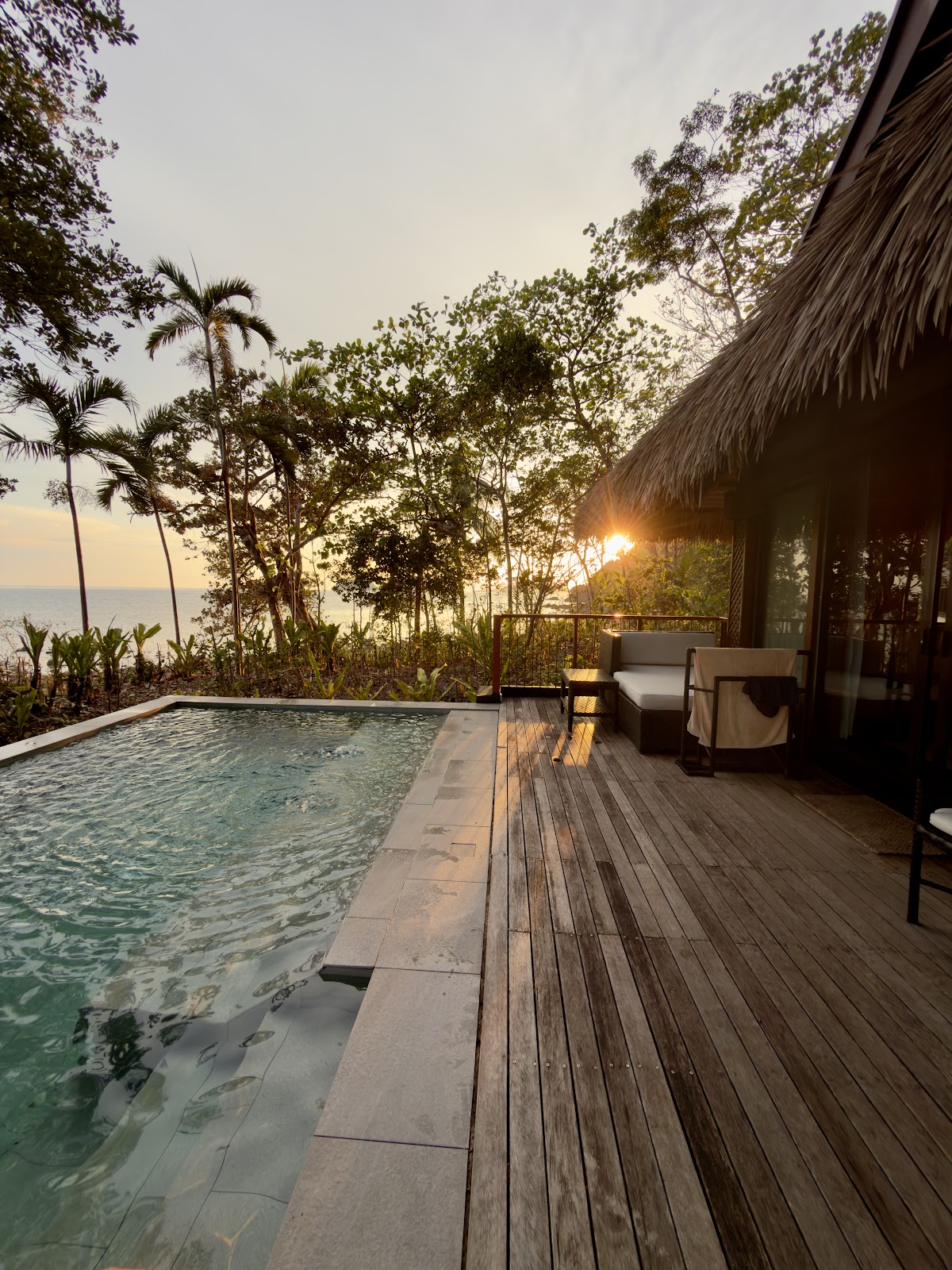
Palawan
The limestone archipelago: karst islands straight out of the water, hidden lagoons reached by boat, and resorts on islands of their own. Pick it for the most spectacular scenery in the country. Getting there is a flight plus a boat, and once you are on the island you stay on it.
Start with El Nido Resorts Pangulasian Island, five-star.
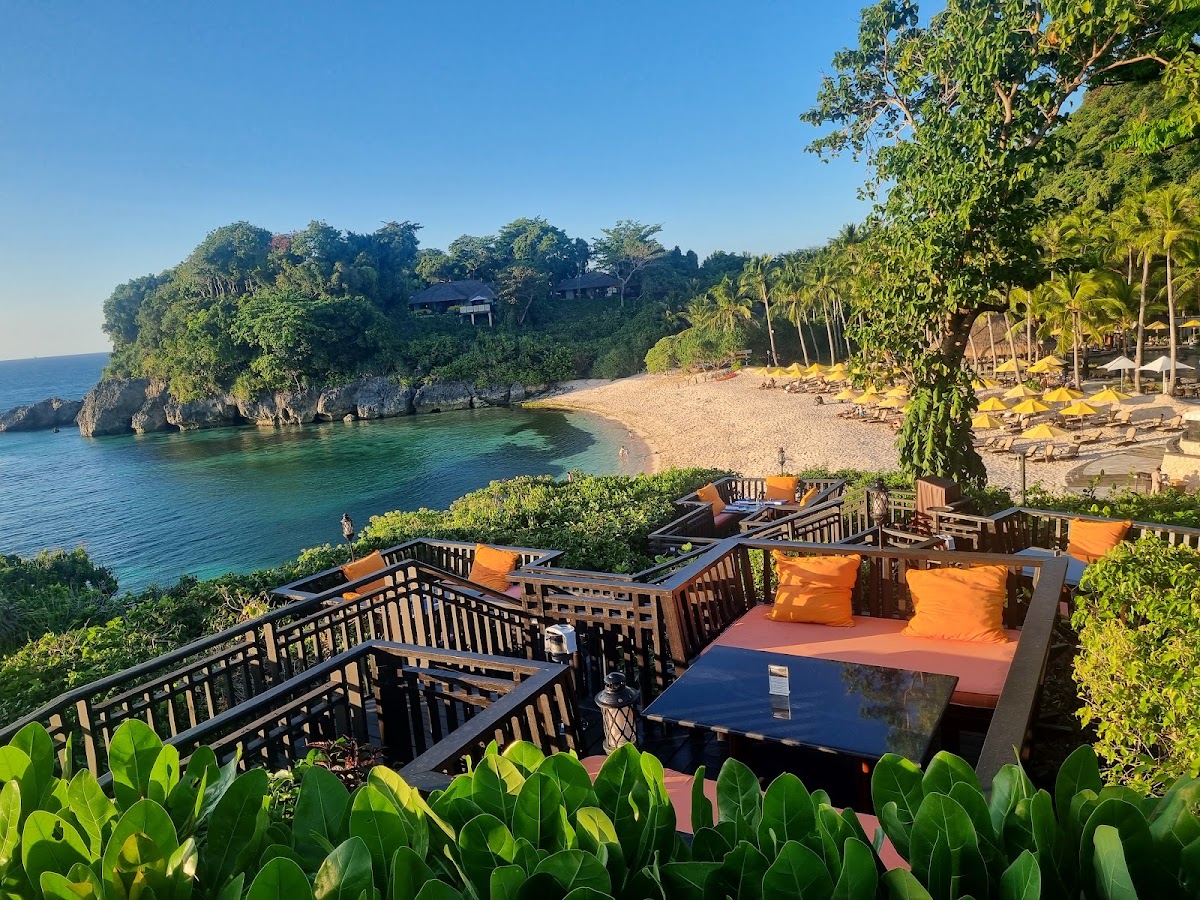
Boracay
White Beach: four kilometres of powder sand and shallow water, with a walkable strip of bars and restaurants behind it. Pick it for the beach itself and for wanting somewhere to go at night. It is small and popular, and it closed once already to recover from that.
Start with Shangri-La Boracay Resort & Spa, five-star.
When to go to Philippines
Climate normals for Cebu / Mactan, and our verdict on each month.
| Measure | Jan | Feb | Mar | Apr | May | Jun | Jul | Aug | Sep | Oct | Nov | Dec |
|---|---|---|---|---|---|---|---|---|---|---|---|---|
| Average daily high | 86 degrees Fahrenheit | 87 degrees Fahrenheit | 88 degrees Fahrenheit | 90 degrees Fahrenheit | 91 degrees Fahrenheit | 90 degrees Fahrenheit | 88 degrees Fahrenheit | 88 degrees Fahrenheit | 88 degrees Fahrenheit | 88 degrees Fahrenheit | 88 degrees Fahrenheit | 86 degrees Fahrenheit |
| Rainfall | 4″ | 3″ | 2.5″ | 2″ | 3.5″ | 6.5″ | 7″ | 6″ | 6.5″ | 7.5″ | 6.5″ | 5.5″ |
| Verdict | Prime | Prime | Prime | Prime | Good | Shoulder | Off-peak | Shoulder | Shoulder | Off-peak | Shoulder | Good |
Sweet spot. January–April; rainy season runs June–November.
Storm risk. Typhoon season runs roughly June–December; the central Visayas (Cebu) see fewer direct hits than Luzon, but it's a real planning factor.
Figures are long-term climate normals for Cebu / Mactan, good for planning. They are not a forecast.
Do you need a passport or visa for the Philippines?
U.S. citizens get visa-free entry for up to 30 days (extendable at a Bureau of Immigration office) and need a passport valid for at least six months with proof of onward travel.
Everyone must complete the free online eTravel registration at etravel.gov.ph within 72 hours before arrival – it is not a visa, and official registration costs nothing, so avoid third-party sites that charge. Confirm current rules on travel.state.gov.
Is the Philippines safe?
The Philippines carries a country-wide U.S. travel advisory (the current level is shown at the top of this guide), but that headline is driven by parts of Mindanao and the Sulu Archipelago (the highest-risk, do-not-travel zones), not where you're going.
Boracay and the wider Visayas are well-policed, tourism-focused, and stable. Use normal beach-town sense with valuables and watch the surf on the windier side. Always check travel.state.gov before you fly.
Currency and tipping
The peso is the only currency you'll spend; bring some cash for tricycles, market stalls, and small cafes, as cards aren't universal off-resort. ATMs are easy to find on Boracay.
Tipping is appreciated but modest: a service charge is often added to restaurant bills, and rounding up or 10% for good service, plus a little for guides and drivers, is plenty.
When to visit
The dry season, roughly November to May, is prime Boracay weather – sunny, calm, and ideal for the beach, with the busiest stretch over the Christmas-to-Easter holidays.
June to October is the wetter southwest-monsoon season with more rain and the occasional typhoon swell; it's quieter and cheaper, but expect some grey days.
Getting there & around
There are no nonstops from the US – fly to Manila (MNL) or Cebu (CEB), then a short domestic hop to Caticlan (MPH), the closest airport.
From Caticlan it's a quick van-and-ferry transfer to Boracay, which most resorts arrange. The island itself is small: walk White Beach or grab an e-trike to get around.
What to do beyond the resort
Sail a paraw outrigger at sunset, island-hop to Crystal Cove and Puka Shell Beach, or kitesurf off Bulabog Beach when the wind's up. Snorkeling and diving here are excellent.
For more, day trips to mainland Panay reach waterfalls and quieter coves, and the food scene – fresh seafood, calamansi everything – is worth wandering for.
Good to know
Power is 220V with Type A/B/C outlets: US flat plugs fit, but bring a converter for anything not rated for 220V. English is widely spoken, so getting around is easy.
Stick to bottled or filtered water, pack reef-safe sunscreen (some areas restrict the rest), and note Boracay enforces an environmental fee and rules to keep the beach pristine.
Getting to Philippines
Indicative round-trip fares into Manila (MNL) from the major US gateways, cheapest first. Tap through for live prices and dates.
| From | Airport | Round trip |
|---|---|---|
| Los Angeles | LAX | $840Cheapest |
| Newark | EWR | $952 |
| New York | JFK | $996 |
| Chicago | ORD | $1050 |
| Dallas | DFW | $1067 |
| Atlanta | ATL | $1141 |
| Boston | BOS | $1152 |
| Miami | MIA | $1223 |
Where the Philippines resorts are
3 resorts mapped stars are five-star properties
The best all-inclusive resorts in Philippines
The Philippines properties we would actually book.
Where to stay in Philippines
The resort areas we cover, and which properties sit in each.
Resort chains in Philippines
The brands operating here. The ones we rank in full link through to the chain, what its plan really covers, and every resort of theirs we track.
Philippines, head to head
Price, flights, sand, food and safety, compared honestly.
Philippines vs JamaicaMexicoDominican RepublicMaldivesGreeceSpainTurks & CaicosArubaBarbadosSt. LuciaItalyPortugalTurkeyAntiguaCuraçaoBrazilCosta RicaFrench PolynesiaMoroccoEgyptSouth AfricaMauritiusKenyaTanzaniaMozambiqueThailandIndonesiaMalaysiaPunta CanaCancúnRiviera MayaLos CabosPuerto VallartaMontego BayNegrilOcho RiosGuanacasteCreteBahiaBora BoraMalé AtollsRodney BayBarbados South CoastBarbados West CoastViti LevuVanua LevuCanary IslandsBalearic IslandsCosta del SolSharm el-SheikhHurghada & the Red Sea CoastBelekRhodesLara & AntalyaMaldives Outer AtollsCorfuHalkidikiKosSoufrière & South St. LuciaGrenadaFijiCroatiaU.S. Virgin IslandsSri LankaSeychellesBahamasChileArgentinaUnited States
Frequently asked questions
Do I need a visa for the Philippines?
No – U.S. citizens get 30 days visa-free (extendable). You do need a passport valid six months and the free online eTravel registration within 72 hours of arrival.
Is Boracay safe?
Yes. The Philippines' country-wide advisory is driven by parts of Mindanao and Sulu; Boracay and the Visayas are stable and tourism-focused. Check the current level at travel.state.gov.
What currency is used, and are dollars accepted?
The Philippine peso. Unlike the Caribbean, US dollars aren't generally spent locally – exchange or use ATMs, and carry cash for small purchases.
Do I tip in the Philippines?
Modestly. A service charge is often included; otherwise round up or leave about 10%, plus a little for guides and drivers.
When is the best time to visit Boracay?
The dry season, November to May, for calm, sunny beach weather. December through Easter is busiest; the June–October wet season is cheaper but rainier.
Which airport do I fly into for Boracay?
Caticlan (MPH) is closest, reached via Manila (MNL) or Cebu (CEB), then a short van-and-ferry transfer. There are no nonstop flights from the US.